


Must a tracheostomy patient necessarily switch from nasogastric feeding to oral intake?
Dec 08, 2025
Source: Cainiu Health

Dr. Li Feng
Introduction
Tracheostomized patients do not necessarily need to switch from nasogastric feeding to oral intake; the decision should be based on swallowing function and clinical recovery. Patients who meet the criteria can gradually transition. If the patient is conscious, has normal swallowing reflexes, shows good healing of the tracheostomy site, and maintains stable respiration, they may attempt the transition under professional guidance. Start with liquid diet, then gradually progress to semi-liquid and soft foods, ensuring adequate nutritional intake.
Generally, tracheostomy patients do not necessarily need to transition from nasogastric feeding to oral intake. The decision should be based on swallowing function and the patient's recovery status. Those who meet the criteria can gradually make the transition. If in doubt, it is recommended to follow medical advice for proper assessment. Specific analysis is as follows:
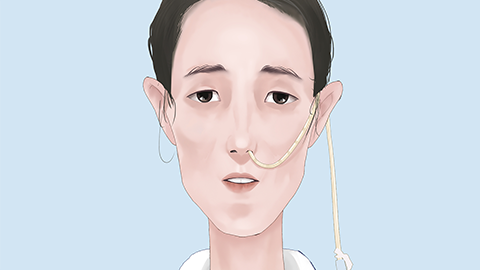
If the patient is conscious, has normal swallowing reflexes, shows good healing at the tracheostomy site, and maintains stable breathing, they may attempt the transition under professional guidance. Start with liquid food, then gradually progress to semi-liquid and soft foods. This approach meets nutritional needs and also promotes recovery of swallowing function.
If the patient has impaired swallowing function, decreased consciousness, unstable breathing after tracheostomy, or a risk of aspiration, attempting oral feeding prematurely could lead to serious complications such as choking or pulmonary infection. In these cases, nasogastric feeding should continue until the patient meets the necessary criteria, after which another evaluation can be conducted.
The transition from nasogastric feeding to oral intake in tracheostomy patients must strictly follow the principle of gradual progression and should never be decided independently. Close monitoring of breathing and swallowing is essential during the transition period; any discomfort should prompt immediate cessation. The entire process must be conducted under professional assessment and guidance to ensure both safety and adequate nutrition.






