


At what level of carbon dioxide does breathing become difficult?
Dec 08, 2025
Source: Cainiu Health

Dr. Ren Yi
Introduction
When the concentration is between 0.5% and 1%, sensitive individuals or those exposed for prolonged periods may experience respiratory distress such as shortness of breath and chest tightness. At this point, the body begins to perceive a relative lack of oxygen, causing the breathing rate to naturally increase. Symptoms usually resolve quickly if windows are opened promptly or the individual moves to a well-ventilated area.
Under normal circumstances, a carbon dioxide concentration in the air exceeding 0.5% may cause breathing difficulties, with discomfort becoming more pronounced as concentration increases. Prompt ventilation is necessary to avoid risks. If any abnormalities occur, medical attention is recommended. Detailed analysis is as follows:
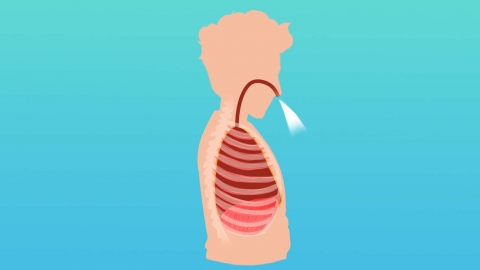
When the concentration ranges between 0.5% and 1%, sensitive individuals or those remaining in such an environment for extended periods may experience symptoms such as rapid breathing and chest tightness. At this stage, the body begins to sense a relative lack of oxygen, causing the respiratory rate to naturally increase. Symptoms usually resolve quickly if windows are opened promptly or individuals move to a well-ventilated area.
If the concentration exceeds 1%, breathing difficulties become increasingly evident and may be accompanied by dizziness, fatigue, and difficulty concentrating. When concentrations reach 2% or higher, breathing becomes notably labored; severe cases may lead to irritability, nausea, or even impaired consciousness, posing a threat to life safety.
To maintain respiratory safety, ensure regular indoor ventilation and avoid overcrowding in enclosed spaces to prevent carbon dioxide buildup. If unexplained breathing difficulties occur, immediately move to an open, well-ventilated area and check CO₂ levels. If symptoms persist, seek medical help promptly to rule out other health issues.



