


Viral infection with cough and fever lasting for a week without subsiding
Dec 08, 2025
Source: Cainiu Health

Dr. Ren Yi
Introduction
Viral infections causing cough and fever that persist for over a week require timely monitoring of body temperature, enhanced symptomatic care, adequate rest, sufficient fluid intake, and avoidance of self-medication. Most viral infections are self-limiting; however, if symptoms last more than a week without improvement, potential complications should be watched for. Immediate medical attention is recommended if persistent high fever, difficulty breathing, altered consciousness, chest pain, or coughing up blood occur.
If viral infection causes cough and fever that persist for more than a week, it is important to monitor body temperature changes promptly, strengthen symptomatic care, ensure adequate rest, maintain sufficient fluid intake, and avoid self-medication. Most viral infections are self-limiting; however, if symptoms fail to improve after one week, potential complications should be considered. Seek immediate medical attention if persistent high fever, difficulty breathing, confusion, chest pain, or coughing up blood occur.
1. Monitor temperature changes: Measure body temperature regularly and record the fever pattern. If body temperature exceeds 38.5°C and remains elevated, take timely measures to reduce fever. Also observe whether chills, rash, or other symptoms accompany the fever.
2. Strengthen symptomatic care: When coughing is prominent, back tapping may help promote sputum clearance. Use mild cough-relief methods and avoid severe coughing that disrupts rest. During fever, wear lighter clothing and keep indoor air well-ventilated.
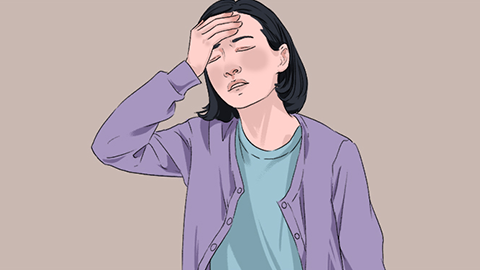
3. Ensure adequate rest: Reduce physical activity and ensure sufficient daily sleep so the body can focus energy on fighting the virus. Avoid staying up late or overexertion, which may weaken immunity and prolong illness.
4. Maintain sufficient hydration: Drink plenty of warm water, light soups, porridge, or electrolyte beverages to replace fluids lost due to fever and coughing. This also helps thin mucus for easier expulsion and prevents dehydration-related symptoms such as dizziness and fatigue.
5. Avoid self-medication: Do not blindly use antibiotics, as viral infections require targeted antiviral treatment. Always consult a healthcare professional before taking any medication to avoid drug resistance or gut microbiota imbalance caused by inappropriate use.
Maintain a light and easily digestible diet, consume more fresh fruits and vegetables rich in vitamins, avoid spicy and greasy foods that may irritate the throat and respiratory tract, keep indoor humidity at an appropriate level, and minimize exposure to smoke, dust, and other irritants to support recovery.


