


Will lung nodules grow larger after receiving a COVID-19 vaccine?
Dec 08, 2025
Source: Cainiu Health

Dr. Ren Yi
Introduction
If the pulmonary nodule is benign and there are no contraindications such as vaccine allergy or acute infection, vaccination will not stimulate the nodule to grow. COVID-19 vaccines primarily work by stimulating the immune system to produce antibodies; they do not directly affect lung nodules nor alter their nature or growth trend. Standard vaccination is considered safe.
Generally, receiving a COVID-19 vaccine does not cause lung nodules to grow larger, and there is no direct association between vaccination and nodule growth. However, individuals with special physical conditions should undergo careful evaluation beforehand. If concerned, it is recommended to consult a healthcare provider in advance. Detailed analysis is as follows:
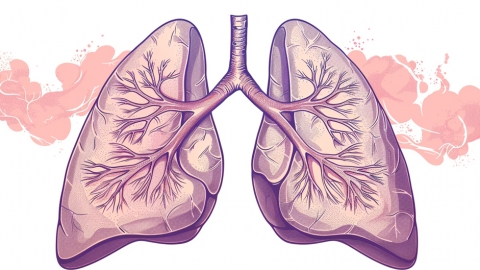
If the lung nodule is benign and the individual has no history of vaccine allergy or acute infection, vaccination will not stimulate nodule enlargement. The primary function of the COVID-19 vaccine is to activate the immune system to produce antibodies; it does not directly affect lung nodules nor alter their nature or growth trend. Vaccination administered according to guidelines is considered safe.
If the nature of the lung nodule is undetermined, or if the individual has underlying immune disorders or acute inflammation, close monitoring after vaccination is advised. In such cases, any changes in the nodule are not caused by the vaccine itself, but may result from the nodule's inherent characteristics or progression of underlying diseases. Regular follow-up examinations should be continued as scheduled to monitor nodule status.
Before receiving the COVID-19 vaccine, patients with lung nodules should inform their doctor about their condition so that medical professionals can assess suitability. After vaccination, there is no need for excessive concern about nodule changes—simply adhere to the original follow-up schedule. If abnormalities are detected during follow-up, prompt additional evaluations should be conducted to determine the cause and prevent delays in targeted management.







