


Can getting a COVID-19 vaccine delay your period?
Dec 10, 2025
Source: Cainiu Health

Dr. Zhang Lu
Introduction
"Auntie" usually refers to menstruation. Generally, receiving the COVID-19 vaccine does not cause menstrual delay; however, if a delay occurs, it may be due to other factors and should be evaluated according to specific circumstances. Maintain regular作息 (daily routines) before and after vaccination, avoid staying up late and excessive fatigue, reduce emotional anxiety, and relax both body and mind through exercise, listening to music, and other methods. Maintain a balanced and nutritious diet.
"Auntie" usually refers to menstruation. Generally speaking, receiving a COVID-19 vaccine does not cause menstrual delay. However, if menstruation is delayed, it may be due to other factors, and the specific cause should be assessed accordingly. The detailed analysis is as follows:
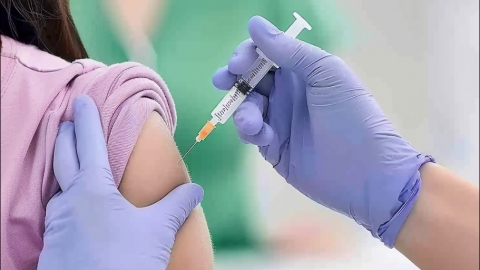
The mechanism of the COVID-19 vaccine is to stimulate the body's immune response against the virus. Its components do not contain substances that affect sex hormone secretion or disrupt the endocrine system. Menstrual cycles are primarily regulated by the hypothalamic-pituitary-ovarian axis. Clinical data show no clear causal link between the vaccine and menstrual delay. Some individuals may experience menstrual fluctuations after vaccination, but these are mostly caused by factors such as emotional stress, irregular sleep patterns, and increased pressure, rather than a direct effect of the vaccine. Therefore, excessive concern is unnecessary.
Before and after vaccination, maintain a regular daily routine, avoid staying up late and overexertion, and reduce anxiety through physical activity, listening to music, or other relaxation techniques. Maintain a balanced diet rich in protein and vitamins, and avoid raw, cold, spicy, or irritating foods. If menstruation is delayed by more than 7 days and there has been recent sexual activity, first rule out pregnancy. If pregnancy is not the cause, observe for 1–2 additional cycles. If abnormalities persist, seek medical attention promptly to determine whether they are due to endocrine disorders, gynecological conditions, or other underlying factors.



