


How can you prevent inhaling secondhand smoke?
Dec 09, 2025
Source: Cainiu Health

Dr. Ren Yi
Introduction
To prevent exposure to secondhand smoke, take measures such as avoiding smoking environments, asking others not to smoke nearby, installing effective ventilation systems indoors, wearing protective masks, and strengthening smoking bans and supervision in public places, thereby avoiding contact with smoke at the source. If symptoms such as persistent coughing or chest tightness occur after long-term exposure, seek medical attention promptly. Actively avoid places where smokers gather.
To prevent exposure to secondhand smoke, measures such as avoiding smoking environments, requesting others not to smoke nearby, installing effective ventilation systems indoors, wearing protective masks, and strengthening smoking bans in public places should be taken to avoid contact with smoke at the source. If persistent coughing, chest tightness, or other symptoms occur after long-term exposure, medical attention is recommended.
1. Avoid smoking environments: Actively stay away from places where smokers gather, such as restaurants or bars without smoking bans, to reduce direct exposure to smoke and lower the risk of inhaling harmful substances. This is the most direct and effective form of protection.
2. Request others not to smoke nearby: Clearly communicate your preference for a smoke-free environment to those around you, especially avoiding smoking in enclosed spaces like homes or vehicles, thereby preventing close-range exposure to secondhand smoke.
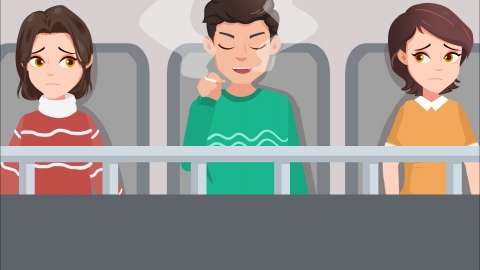
3. Install effective ventilation equipment indoors: In indoor areas where smoking may occur, install high-efficiency ventilation systems or air purifiers to accelerate the dispersion of smoke and filter out harmful substances, thus improving indoor air quality.
4. Wear protective masks: When entering smoking environments that cannot be avoided, wear protective masks that meet safety standards to block particulate matter and harmful gases in smoke, reducing respiratory intake.
5. Strengthen smoking supervision in public places: Actively comply with no-smoking regulations in public areas, reasonably discourage violations, and promote the establishment of smoke-free environments, thereby indirectly reducing opportunities for secondhand smoke exposure.
Maintain regular indoor ventilation by opening windows, ensure good air circulation, consume more vitamin-rich fruits and vegetables to strengthen respiratory resistance, and maintain regular sleep patterns to enhance metabolic function, all of which help minimize potential health impacts from secondhand smoke.







