


Is a 1.5 cm lung nodule serious?
Dec 04, 2025
Source: Cainiu Health

Dr. Ren Yi
Introduction
In general, the severity of a 1.5 cm lung nodule cannot be determined by size alone; it must be evaluated based on its nature and characteristics. Benign nodules are usually not serious, whereas malignant nodules or those with potential for malignancy require close attention. After detection of a 1.5 cm lung nodule, smoking cessation and avoidance of secondhand smoke are essential, along with minimizing exposure to irritants such as dust and cooking fumes.
Generally speaking, whether a 1.5 cm lung nodule is serious cannot be determined by size alone—it must be evaluated based on its nature and characteristics. Benign nodules are usually not concerning; however, if the nodule is malignant or has potential for malignancy, it requires close attention. The specific analysis is as follows:
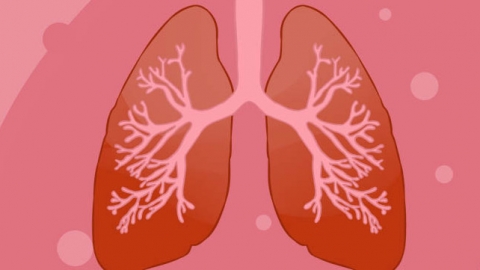
If the nodule is benign—such as scarring left over from inflammation, infection, or tuberculosis—even a size of 1.5 cm typically poses no significant health risk and does not invade surrounding tissues. These benign nodules usually have clear, well-defined edges and regular shapes. They can be managed through regular follow-up imaging to monitor for changes. Some inflammatory nodules may even shrink or disappear after treatment.
However, if the nodule shows suspicious features such as blurred margins, spiculated edges, or pleural牵拉 (pleural retraction), or if tests suggest a precancerous lesion or early-stage lung cancer, then even a 1.5 cm nodule represents a relatively serious condition requiring prompt intervention. Early detection and treatment offer high cure rates, but delays may lead to disease progression and increased treatment complexity.
After discovering a 1.5 cm lung nodule, individuals should quit smoking and avoid secondhand smoke, as well as minimize exposure to irritants such as dust and cooking fumes. Maintaining a regular sleep schedule and boosting immunity are also important. Strict adherence to physician-recommended follow-up chest imaging is essential to monitor changes in the nodule’s size and appearance, providing accurate guidance for further diagnosis and treatment.




