


How much water can a newborn's kidneys handle?
Dec 10, 2025
Source: Cainiu Health

Dr. Zhou Xiaofeng
Introduction
Full-term newborns have immature kidney function and limited water excretion capacity, so daily fluid intake must be strictly controlled. Based on body weight, 120 to 150 milliliters of fluid per kilogram of body weight is sufficient to meet metabolic needs, including breast milk, formula, and a small amount of additional water; excessive intake may easily lead to fluid retention. Premature infants have even less developed kidneys and lower tolerance.
Under normal circumstances, a newborn's kidney capacity for handling water should be calculated based on body weight, with approximately 120 to 150 milliliters per kilogram of body weight per day. Adjustments should be made according to individual conditions. If there are any concerns, it is recommended to seek medical advice in advance. Detailed analysis is as follows:
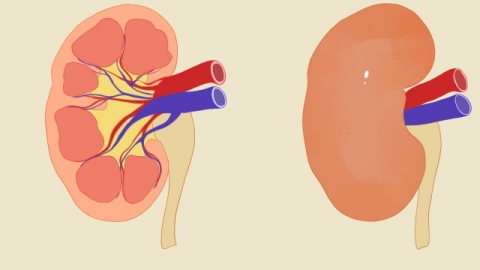
The kidneys of full-term newborns are not yet fully developed and have limited ability to excrete water, so daily water intake must be strictly controlled. Based on body weight, 120 to 150 mL/kg/day is generally sufficient to meet metabolic needs, including water from breast milk, formula, and minimal additional supplementation. Excessive intake may easily lead to fluid retention. Premature infants have even less mature kidney development and lower tolerance, thus requiring reduced fluid intake to avoid overburdening the kidneys.
Individual differences and environmental factors can affect fluid tolerance. Newborns with low birth weight or congenital kidney abnormalities have lower fluid tolerance. In hot and dry environments, increased sweating in newborns may warrant slight increases in fluid supplementation under medical guidance, but unnecessary supplementation should be avoided. Excessive hydration may cause water intoxication, leading to symptoms such as lethargy, vomiting, and abnormal urine output.
Fluid supplementation in newborns should follow the principle of need-based intake, primarily relying on breast milk or formula, with extra water given cautiously. Close monitoring of urine output and mental status is essential, and any abnormalities should prompt immediate medical attention. Specific hydration plans should be discussed with a neonatologist.





