Is the shrimp vein toxic?
Dec 10, 2025
Source: Cainiu Health

Dr. Huang Yuhong
Introduction
In general, the shrimp vein is not toxic. When preparing shrimp, you can remove the vein using a toothpick inserted at the joint between the head and body, or cut off the tail tip and gently pull out the vein. When buying fresh shrimp, choose those with bright shells, intact antennae, and firm, springy bodies when pressed. After bringing them home, rinse thoroughly under clean water and soak for 10 minutes to remove surface impurities.
Generally speaking, the shrimp vein (digestive tract) is not toxic. Here's a detailed explanation:
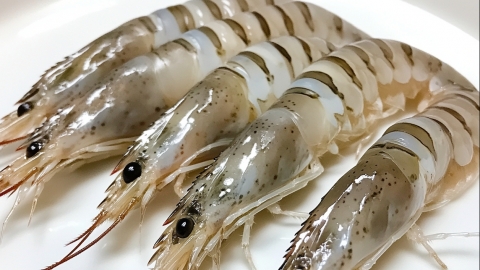
The shrimp vein is the digestive tract of the shrimp, primarily composed of undigested food residues and metabolic waste. It does not inherently contain any toxic substances. These materials are nutritionally similar to shrimp meat but have a coarse texture and may carry an earthy or bitter taste, which affects the eating experience. Even if cooked without removal, any small amount of bacteria possibly present in the vein would be killed by high temperatures during cooking, so there is no health risk or danger of poisoning. Therefore, removing the vein is recommended mainly for better flavor and hygiene.
When preparing shrimp, you can use a toothpick to gently lift out the vein from the joint between the head and body, or cut off the tip of the tail and carefully pull it out. When purchasing fresh shrimp, choose those with bright shells, intact antennae, and firm, springy bodies. After bringing them home, rinse thoroughly under clean water and soak for about 10 minutes to remove surface impurities. Make sure to wash the shrimp completely before cooking, and ensure they are fully cooked whether steamed or stir-fried. Unprocessed fresh shrimp should be wrapped in a damp towel and stored in the refrigerator, and consumed within 1–2 days to prevent spoilage and maintain quality.