


Can you still eat longan if there's white fungus on the surface?
Dec 10, 2025
Source: Cainiu Health

Dr. Huang Yuhong
Introduction
In general, longan with white fungal growth on the surface should not be consumed. When purchasing longan, choose fresh fruits with smooth, bright-colored skin that feel firm and elastic when gently squeezed, and avoid those with sticky surfaces or damaged skin. If not consuming immediately after bringing home, store in a breathable mesh bag, hung in a cool, well-ventilated area, or refrigerated at a temperature of 4–8°C.
Generally, longan with white fungal growth on the surface should not be consumed. The detailed explanation is as follows:
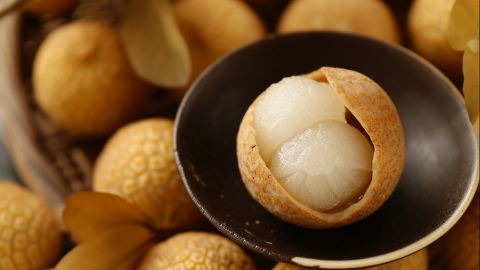
White fungal growth on the surface of longan is a clear sign of mold development. These molds may produce toxins harmful to the human body. Even if the white spots appear only on the skin, mold hyphae might have already penetrated deep into the flesh, which is difficult to detect with the naked eye. Moreover, such toxins cannot be completely removed by washing or heating. Consuming contaminated fruit may irritate the gastrointestinal tract, causing discomfort such as nausea, vomiting, and diarrhea. Long-term or large-scale intake increases health risks. Therefore, even if the flesh appears undamaged, it is not advisable to eat the fruit.
When purchasing longan, choose fresh fruits with smooth, bright-colored skin that feel firm and elastic when gently pressed. Avoid those with sticky surfaces or damaged peels. If not consuming immediately after bringing them home, store the fruits in a breathable mesh bag, hung in a cool, well-ventilated area, or refrigerated at a temperature between 4–8°C. Check the condition of the longan daily, and promptly remove and discard any showing signs of mold spots, wrinkling, softening, or unpleasant odor to prevent the spread of mold to other fruits.



