


Where to apply moxibustion for yin deficiency with hyperactive fire
Dec 10, 2025
Source: Cainiu Health

Dr. Sun Lianqing
Introduction
In general, for patterns of Yin deficiency with hyperactive fire, moxibustion should target acupoints that nourish Yin and reduce fire, as well as regulate the balance of Yin and Yang. Commonly used points include Yongquan (KI1), Taixi (KI3), Sanyinjiao (SP6), Zusanli (ST36), and Baihui (GV20). Gentle moxibustion at these points can help alleviate related discomforts. When performing moxibustion on these points, it is important to observe contraindications and precautions, using a mild moxibustion technique and avoiding excessively long durations or overly strong heat.
Under normal circumstances, for yin deficiency with hyperactivity of fire, moxibustion should target acupoints that nourish yin, reduce fire, and regulate the balance of yin and yang. Commonly used points include Yongquan (KI1), Taixi (KI3), Sanyinjiao (SP6), Zusanli (ST36), and Baihui (GV20). Gentle moxibustion at these points can help alleviate related discomforts. The detailed analysis is as follows:
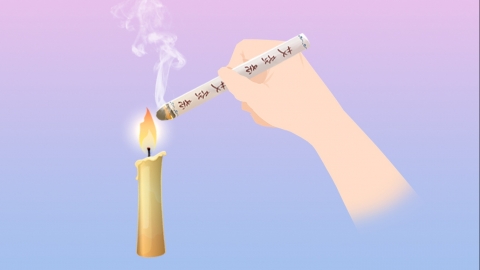
1. **Yongquan (KI1)**: Located on the sole of the foot, in the depression at the anterior one-third of the sole when the toes are flexed. Moxibustion at this point helps nourish yin, tonify the kidneys, and guide fire downward. It is suitable for symptoms caused by yin deficiency with hyperactivity of fire, such as dry mouth, dizziness, tinnitus, insomnia, and vivid dreams, effectively relieving upward flare-up of deficient fire.
2. **Taixi (KI3)**: Found on the medial side of the foot, in the depression between the tip of the medial malleolus and the Achilles tendon. As the source point of the Kidney meridian, moxibustion at Taixi nourishes kidney yin and strengthens kidney qi. It is particularly appropriate for yin deficiency with hyperactivity of fire due to insufficient kidney yin, helping to improve symptoms such as soreness and weakness in the lower back and knees, tidal fever, and night sweats.
3. **Sanyinjiao (SP6)**: Located on the inner side of the lower leg, three cun above the tip of the medial malleolus, posterior to the posterior border of the tibia. This point is where the Liver, Spleen, and Kidney meridians converge. Moxibustion here regulates the qi and blood of the three yin meridians and nourishes bodily fluids, making it suitable for cases of yin deficiency with hyperactivity of fire accompanied by spleen-stomach weakness and fatigue.
4. **Zusanli (ST36)**: Situated on the outer side of the lower leg, three cun below the犊bi (Dubi, ST35), one finger-breadth lateral to the anterior crest of the tibia. Moxibustion at Zusanli strengthens the spleen and boosts qi, consolidates the foundation, and promotes the production of yin fluids by enhancing spleen and stomach function. This indirectly alleviates yin deficiency with hyperactivity of fire and improves constitutional weakness.
5. **Baihui (GV20)**: Located at the midpoint of the vertex, at the intersection of the midline of the head and the line connecting the tips of the two ears. Moxibustion at Baihui lifts yang, raises sunken qi, calms the mind, and refreshes the brain. It is indicated for dizziness, headache, insomnia, and irritability caused by yin deficiency with hyperactivity of fire, helping to harmonize qi and blood in the head and relieve discomfort.
When performing moxibustion on these acupoints, attention must be paid to contraindications and precautions. A gentle moxibustion technique should be used, avoiding excessively long durations or overly strong heat. Individuals with severe yin deficiency should control the frequency of moxibustion and adjust treatment according to their individual constitution to ensure both safety and effectiveness of the therapy.




