


Can the Chinese herb Elsholtzia help treat bad breath?
Dec 10, 2025
Source: Cainiu Health

Dr. Sun Lianqing
Introduction
The core functions of Mosla (Xiangru) are inducing sweating to relieve exterior syndromes and transforming dampness to harmonize the stomach. It has a certain regulatory effect on halitosis caused by internal dampness accumulation and impaired spleen-stomach function. This type of bad breath is often accompanied by symptoms such as sticky mouth, thick greasy tongue coating, abdominal distension, and loose stools. By resolving dampness and strengthening the spleen, Mosla improves spleen and stomach function and alleviates oral odor at its root—especially suitable for halitosis caused by summer-heat and dampness.
Generally, the Chinese herb Elsholtzia (Xiangru) may assist in improving certain types of bad breath, but it is ineffective for other patterns and should not be used indiscriminately. If in doubt, it is advisable to consult a healthcare professional beforehand. Detailed analysis is as follows:
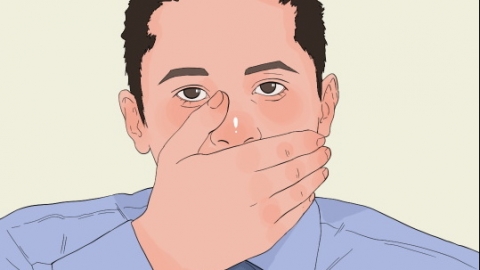
The primary effects of Xiangru are inducing sweating to relieve exterior symptoms, transforming dampness, and harmonizing the stomach. It can help regulate bad breath caused by internal dampness accumulation and impaired spleen-stomach function. This type of halitosis is often accompanied by symptoms such as a sticky mouth, thick greasy tongue coating, abdominal distension, and loose stools. By resolving dampness and strengthening the spleen, Xiangru improves gastrointestinal function and alleviates odor at its source, making it particularly suitable for bad breath caused by summer-heat and dampness.
However, bad breath has complex causes. For cases due to excessive liver fire, intense stomach heat, oral diseases (such as periodontitis or dental caries), or Helicobacter pylori infection, Xiangru is unlikely to be effective. Since Xiangru is warm in nature, using it for bad breath caused by stomach or liver fire may exacerbate internal heat due to its warming properties, thereby worsening the halitosis. In such cases, targeted treatment of the underlying condition is necessary rather than relying on Xiangru.
Before using Xiangru to manage bad breath, the specific pattern must be clearly diagnosed, and the herb should be used under the guidance of a qualified practitioner, ideally in combination with other herbs, avoiding long-term use alone. Additionally, maintaining good oral hygiene and following a light diet are important. If bad breath persists, underlying oral or digestive system disorders should be evaluated and treated accordingly.




