


What Chinese herbal medicines should patients with lung nodules take?
Dec 10, 2025
Source: Cainiu Health

Dr. Ren Yi
Introduction
In general, patients with pulmonary nodules may use traditional Chinese herbs for regulation under the guidance of a physician. Commonly used herbs include Prunella vulgaris (Xia Ku Cao), Zhe Bei Mu, dandelion, Hedyotis diffusa (Bai Hua She She Cao), and Salvia miltiorrhiza (Dan Shen). In addition, other suitable Chinese herbal medicines may also be combined under medical supervision. During treatment, patients should undergo regular follow-up examinations, maintain a light diet, avoid smoking and alcohol consumption, and minimize irritation to the lungs.
Generally, patients with pulmonary nodules can use traditional Chinese herbal medicine for regulation under the guidance of a physician. Commonly used herbs include Prunella vulgaris (Xia Ku Cao), Zhejiang Fritillary Bulb (Zhe Bei Mu), dandelion (Pu Gong Ying), Hedyotis diffusa (Bai Hua She She Cao), and Salvia miltiorrhiza (Dan Shen). The details are as follows:
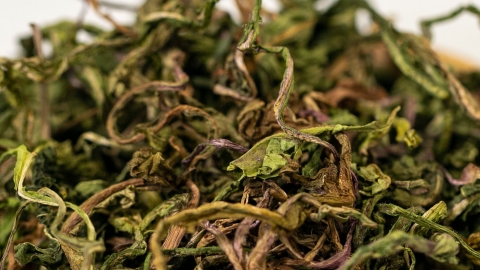
1. Prunella vulgaris (Xia Ku Cao)
Prunella vulgaris is a commonly used traditional Chinese herb known for its effects of clearing liver heat, resolving fire toxicity, dispersing nodules, and reducing swelling. Its active components, such as prunellin, help dissolve nodules caused by stagnation of phlegm-fire, making it suitable for patients with pulmonary nodules due to phlegm-heat stagnation.
2. Zhejiang Fritillary Bulb (Zhe Bei Mu)
Zhe Bei Mu is slightly cold in nature and functions to clear heat, resolve phlegm, disperse nodules, and alleviate abscesses. It helps relieve symptoms such as cough due to lung heat and scanty, sticky sputum. Additionally, it plays an auxiliary role in regulating pulmonary nodules formed by obstruction of lung channels due to phlegm and blood stasis, making it a commonly used herb in managing pulmonary nodules.
3. Dandelion (Pu Gong Ying)
Dandelion has properties of clearing heat and detoxifying, reducing swelling, resolving nodules, promoting urination, and relieving dampness. Its components, such as taraxasterol, can help improve lung inflammation and provide supportive regulation for pulmonary nodules caused by heat-toxin stagnation.
4. Hedyotis diffusa (Bai Hua She She Cao)
Hedyotis diffusa clears heat and detoxifies, removes dampness, promotes urination, and disperses nodules to reduce swelling. According to traditional Chinese medicine theory, it can be used to regulate pulmonary nodules caused by heat-toxin and blood stasis, often combined with other herbs to enhance its nodule-dissolving effect.
5. Salvia miltiorrhiza (Dan Shen)
Dan Shen invigorates blood circulation, removes blood stasis, unblocks meridians, alleviates pain, clears the heart, and relieves irritability. Since the formation of pulmonary nodules is often related to blood stasis, Dan Shen helps resolve blood stasis and unblock lung channels, thereby assisting in improving symptoms of pulmonary nodules due to intermingled phlegm and blood stasis.
In addition, patients with pulmonary nodules may also combine other appropriate herbal medicines under medical supervision. During treatment, regular follow-up examinations are recommended, along with maintaining a light diet, avoiding smoking and alcohol consumption, and minimizing irritation to the lungs.


