


Why do I sweat excessively so easily, and what should I do about it?
Dec 10, 2025
Source: Cainiu Health

Dr. Liu Wenmin
Introduction
Excessive sweating may be caused by high ambient temperature, significant emotional fluctuations, hyperthyroidism, diabetes, menopausal syndrome, etc., and can be improved by adjusting the environment, stabilizing emotions, or medical treatment. If sweating is accompanied by symptoms such as palpitations or sudden weight changes, prompt medical attention is necessary. Prolonged exposure to hot and humid environments or wearing excessively thick clothing
Excessive sweating that occurs frequently may be caused by high ambient temperature, intense emotional fluctuations, hyperthyroidism, diabetes, or menopausal syndrome. It can be improved through environmental adjustments, emotional regulation, and medical treatment. If sweating is accompanied by symptoms such as palpitations or sudden weight changes, prompt medical attention is necessary.
1. High environmental temperature: Prolonged exposure to hot, stuffy environments or wearing excessively thick clothing increases the body's need for heat dissipation, leading to heavy sweating to regulate body temperature. This may be accompanied by skin redness and a sensation of heat. It is recommended to move promptly to a cool, well-ventilated area, change into breathable clothing, and drink lightly salted water to prevent dehydration.
2. Intense emotional fluctuations: Sudden strong emotions such as tension or anxiety can stimulate the sympathetic nervous system, causing excessive sweat gland activity and episodic sweating, often concentrated on the face, head, and palms. It is advisable to calm down using deep breathing or meditation techniques, avoid extreme emotional swings, and reduce potential triggers.
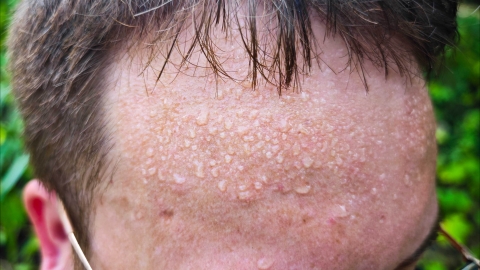
3. Hyperthyroidism: Excessive secretion of thyroid hormones accelerates metabolism and increases heat production, resulting in abnormal sweating. This is often accompanied by palpitations, hand tremors, heat intolerance, and weight loss. Patients may take medications such as methimazole tablets, propylthiouracil tablets, or propranolol sustained-release tablets under medical supervision to alleviate symptoms.
4. Diabetes: Blood glucose fluctuations can affect nerve metabolism, potentially leading to autonomic neuropathy and abnormal sweat gland function. Symptoms may include excessive thirst, increased appetite, frequent urination, and fatigue. Under a doctor’s guidance, medications such as metformin hydrochloride sustained-release tablets, insulin injection, or gliclazide sustained-release tablets may be used to relieve discomfort.
5. Menopausal syndrome: In women, ovarian function decline and reduced estrogen levels cause endocrine disturbances, leading to hot flashes and night sweats, often accompanied by insomnia and irritability. Patients may follow medical advice to use nylestriol tablets, oryzanol tablets, or menopause-relief tablets to improve symptoms.
For daily management, choose breathable fabrics such as cotton, maintain comfortable indoor temperature and humidity, replenish fluids and electrolytes promptly, avoid spicy and stimulating foods, maintain regular sleep patterns, engage in moderate exercise, and strive to keep metabolic balance and emotional stability.







