


What is the final outcome of pulmonary effusion?
Dec 10, 2025
Source: Cainiu Health

Dr. Ren Yi
Introduction
After progression of pulmonary effusion, patients generally develop respiratory failure, worsening pulmonary infection, deteriorated cardiac function, multiple organ dysfunction, and disturbed vital signs. Continuous accumulation of fluid compresses lung tissue, severely impairing pulmonary ventilation and gas exchange, leading to symptoms such as dyspnea and cyanosis. Gradual worsening of hypoxia ensues, requiring mechanical ventilatory support to maintain respiration.
After progression of pulmonary effusion, conditions such as respiratory failure, worsening lung infection, deteriorating cardiac function, multi-organ dysfunction, and disordered vital signs generally occur. Specific analyses are as follows:
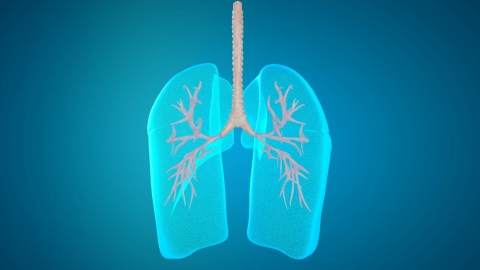
1. Respiratory failure: Continuous accumulation of fluid compresses lung tissue, severely impairing ventilation and gas exchange. This leads to symptoms such as dyspnea and cyanosis, with progressively worsening hypoxia, often requiring mechanical ventilation support to sustain breathing.
2. Worsening pulmonary infection: The accumulated fluid provides a favorable environment for bacterial growth, easily leading to suppurative infections such as empyema, accompanied by high fever and purulent sputum. As the infection spreads, lung function sustains further damage, increasing treatment difficulty.
3. Deterioration of cardiac function: Pulmonary effusion exerts pressure on the heart, increasing cardiac workload. In patients with pre-existing heart disease, symptoms such as palpitations, chest discomfort, and lower limb edema may appear. Severe cases can lead to heart failure, disrupting normal circulatory function.
4. Multi-organ dysfunction: Prolonged hypoxia and systemic infection can affect organs such as the kidneys and liver, causing inadequate blood and oxygen supply, gradually declining organ function, and manifestations such as reduced urine output and jaundice, potentially leading to multiple organ failure.
5. Disordered vital signs: In the terminal stage, vital signs such as blood pressure and heart rate exhibit abnormal fluctuations, including sudden drops in blood pressure, tachycardia, or bradycardia. Metabolic and circulatory systems approach collapse, posing life-threatening risks.
Upon detection of pulmonary effusion, prompt medical evaluation is essential to determine the underlying cause. Treatment should target primary conditions such as infection or heart disease. Fluid drainage via puncture may be necessary to relieve compression. Close monitoring of disease progression during treatment, adherence to medical instructions regarding medication and care, and avoidance of treatment delays are crucial to prevent disease deterioration.







