


How many hours before a nucleic acid test should one avoid eating as much as possible?
Dec 10, 2025
Source: Cainiu Health

Dr. Huang Yuhong
Introduction
Avoid eating for at least 2 hours before nucleic acid testing to prevent interference with sample collection and test results. Most nucleic acid tests use throat or nasal swabs. Eating shortly before the test may cause nausea, vomiting, or other discomfort when the throat is stimulated during sampling, which could hinder the procedure. In particular, spicy or greasy foods may increase sensitivity of the pharyngeal mucosa and raise the likelihood of adverse reactions.
Generally, it is recommended to avoid eating for at least 2 hours before nucleic acid testing to prevent interference with sample collection and test results. If you have any concerns, it is advisable to consult a healthcare professional in advance. Detailed explanations are as follows:
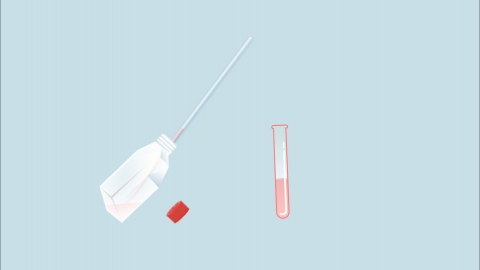
Nucleic acid testing usually involves collecting samples via throat or nasal swabs. Eating shortly before the test may cause nausea or vomiting when the throat is stimulated during sampling, leading to discomfort and potentially disrupting the procedure. Spicy or greasy foods, in particular, may increase sensitivity of the pharyngeal mucosa and raise the likelihood of adverse reactions.
If you need to eat before the test, choose light and easily digestible foods, and ensure at least a 2-hour gap to allow sufficient digestion. Sampling on an empty stomach reduces food residue in the throat and lowers sensitivity to stimulation, making the process smoother and minimizing the risk of vomiting, which could contaminate the sampling environment or specimen.
In addition to managing meal timing, it is important to avoid alcohol consumption, smoking, and excessive drinking before nucleic acid testing. Cooperating fully with healthcare staff during sample collection helps reduce discomfort and ensures the testing process is completed efficiently.





