


Can patients with spasmodic torticollis receive the COVID-19 vaccine?
Dec 10, 2025
Source: Cainiu Health

Dr. Li Feng
Introduction
In general, whether patients with spasmodic torticollis can receive the COVID-19 vaccine should be determined based on the specific condition of their illness. If the patient's condition is stable, symptoms are well-controlled through medication or physical therapy, and there are no signs of acute exacerbation, vaccination may be considered after evaluation by a physician. Such patients typically have a stable overall health status.
In general, whether patients with spasmodic torticollis can receive the COVID-19 vaccine depends on the specific condition of their illness. The detailed analysis is as follows:
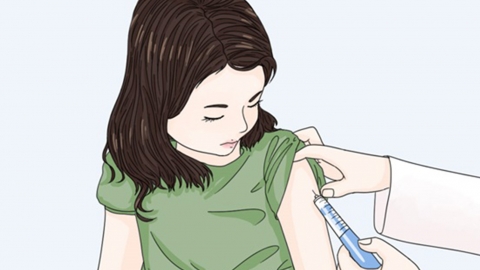
If a patient's spasmodic torticollis is stable, symptoms are well-controlled through medication or physical therapy, and there are no obvious signs of acute episodes, vaccination may be considered after medical evaluation. Such patients are in a stable physical condition, and their underlying disease does not interfere with the immune system’s ability to generate antibodies in response to the vaccine. The risk of severe adverse reactions after vaccination is not significantly different from that of the general population, and following standard vaccination procedures can provide effective immune protection.
However, if the patient is experiencing an acute episode of spasmodic torticollis—such as severe neck muscle stiffness, intense pain, or accompanied by noticeable dizziness, nausea, or other discomforts—immediate vaccination is not recommended. During acute episodes, the body is under stress, and receiving the vaccine may exacerbate existing symptoms or reduce tolerance to the vaccine. It is advisable first to actively treat and stabilize the condition, then consult a physician about scheduling vaccination once symptoms have subsided and the condition has stabilized.
After vaccination, maintain a comfortable neck posture, avoid maintaining the same position for prolonged periods, get adequate rest, and promptly contact your primary physician if you notice any unusual changes in neck symptoms.






