


What are the potential harms of frequent massage for young people?
Dec 12, 2025
Source: Cainiu Health

Dr. Sun Lianqing
Introduction
Young people generally have more active bodily functions, and excessive or improper massage can easily lead to health problems. Common risks include aggravated muscle injuries, reduced joint stability, abnormal nerve sensitivity, local circulatory disturbances, and masking of underlying medical conditions. When receiving massage, it is important to be aware of contraindications and precautions, control the frequency and intensity of massage, and choose professional, licensed institutions and practitioners.
Young people generally have robust physical functions, but excessive or improper massage can easily trigger health problems. Common risks include aggravated muscle damage, reduced joint stability, abnormal nerve sensitivity, local blood circulation disorders, and masking of underlying diseases. The specific analysis is as follows:
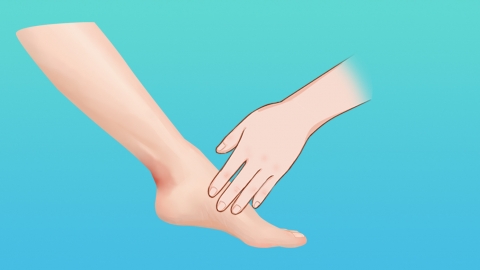
1. Aggravated muscle damage: Frequent massage can overstimulate muscle fibers, especially when strong pressure is applied, potentially leading to muscle swelling, soreness, or even microscopic tears in the muscle fibers. For young individuals whose muscles have not yet recovered after exercise, this may worsen existing injuries and impair recovery.
2. Reduced joint stability: Improper massage techniques involving excessive joint manipulation or pressure may injure soft tissues surrounding the joints, such as ligaments and tendons. Over time, this can weaken the joint's ability to stabilize, increasing the risk of dislocation, sprains, and other joint-related issues.
3. Abnormal nerve sensitivity: Long-term, repetitive stimulation of peripheral nerve endings may lead to either increased or decreased nerve sensitivity. Some individuals may experience numbness, tingling sensations, or hypersensitivity to normal touch, affecting normal sensory function.
4. Localized circulatory disturbances: While moderate massage can enhance blood circulation, overly frequent sessions may disrupt the body’s natural circulatory rhythm. This could cause prolonged dilation or constriction of blood vessels, leading to dizziness, fatigue, or abnormal blood supply to tissues, resulting in swelling or bruising.
5. Masking of underlying diseases: If young people rely heavily on massage to relieve bodily discomfort, they may overlook symptoms indicating more serious conditions—such as herniated lumbar discs or rheumatoid arthritis—behind muscle pain or joint discomfort. This delay in proper diagnosis and treatment may result in worsening of the condition.
When receiving massage therapy, it is important to be aware of contraindications and precautions, control the frequency and intensity of massage, and choose professional, reputable institutions and practitioners. Massage should be tailored to individual physical conditions to ensure its safety and appropriateness.






