


What are the indications for blood transfusion?
Dec 12, 2025
Source: Cainiu Health

Dr. Li Feng
Introduction
In general, the indications for blood transfusion mainly include acute blood loss, chronic anemia, coagulation disorders, severe infections, and hematologic diseases. Blood transfusion should be determined based on a comprehensive assessment of the patient's specific condition, strictly adhering to relevant indication criteria to avoid unnecessary or blind transfusions. At the same time, standardized procedures must be followed to ensure the safety and effectiveness of treatment.
Generally, indications for blood transfusion mainly include acute hemorrhage, chronic anemia, coagulation disorders, severe infections, and hematologic diseases. A detailed analysis is as follows:
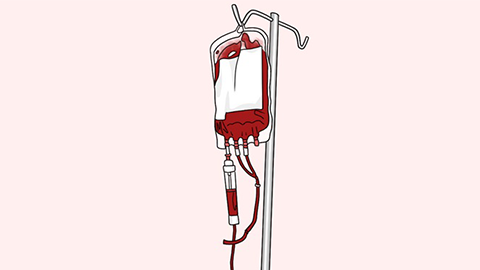
1. Acute Hemorrhage: Indicated for acute massive blood loss caused by trauma or surgery. When hemoglobin drops below 70 g/L or blood loss exceeds 20% of total blood volume, timely blood transfusion is required to restore blood volume, maintain organ perfusion, and prevent shock.
2. Chronic Anemia: Indicated for severe anemia resulting from chronic conditions such as iron deficiency anemia or megaloblastic anemia. Transfusion may be considered when hemoglobin falls below 60 g/L and is accompanied by significant symptoms such as fatigue, palpitations, and dyspnea, to alleviate discomfort.
3. Coagulation Disorders: Indicated for deficiencies in clotting factors or thrombocytopenia caused by conditions like hemophilia or liver cirrhosis. In cases of severe bleeding—such as visceral hemorrhage or widespread mucocutaneous bleeding—transfusion of platelets or clotting factors is necessary to correct coagulation function.
4. Severe Infections: Indicated for serious infections such as sepsis or severe pneumonia, particularly in patients with profound neutropenia. Transfusion of granulocyte concentrates may enhance the body's ability to fight infection and assist in controlling infectious symptoms.
5. Hematologic Diseases: Indicated for diseases such as leukemia and aplastic anemia, which are often associated with complications including anemia, bleeding, and infection. Red blood cells, platelets, or other blood components should be transfused according to the clinical condition to maintain basic bodily functions.
Blood transfusion decisions should be made based on a comprehensive assessment of the patient’s specific condition. Strict adherence to established transfusion indications is essential to avoid unnecessary transfusions. Additionally, standardized procedures must be followed to ensure the safety and effectiveness of treatment.



