


What precautions should be taken during blood transfusion?
Dec 12, 2025
Source: Cainiu Health

Dr. Li Feng
Introduction
In general, key considerations during blood transfusion mainly include strict verification of information, control of transfusion rate, close monitoring for reactions, adherence to standardized procedures, and proper handling of blood products. Prior to transfusion, two medical personnel must jointly verify the patient's name, gender, age, hospital number, blood type, blood bag number, and blood component type to ensure complete consistency of all information and prevent serious adverse reactions due to transfusion errors.
Under normal circumstances, key precautions during blood transfusion mainly include strict verification of information, controlled transfusion rate, close monitoring for adverse reactions, standardized procedures, and proper handling of blood products. A detailed analysis is as follows:
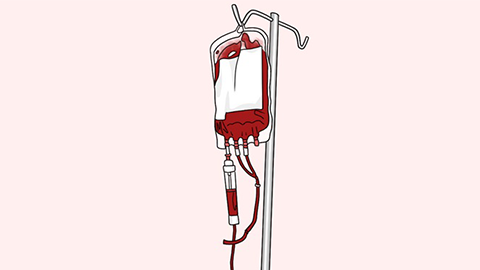
1. Strict verification of information: Prior to transfusion, two medical personnel must jointly verify the patient's name, gender, age, hospital number, blood type, blood bag number, and blood component type to ensure complete consistency of all information and prevent serious adverse events due to incorrect transfusion.
2. Controlled transfusion rate: The transfusion rate should be slow initially—typically no more than 20 drops per minute during the first 15 minutes. After confirming no adverse reactions, adjust the rate according to the patient’s condition. Elderly patients, children, or those with cardiac insufficiency require even slower rates to avoid overloading the circulatory system.
3. Close monitoring for reactions: Continuously observe the patient throughout the transfusion process, paying particular attention to signs such as fever, chills, rash, dyspnea, nausea, or vomiting. If any adverse reaction occurs, stop the transfusion immediately and implement appropriate interventions.
4. Standardized procedures: Use dedicated blood transfusion sets; do not mix blood products with other medications to prevent destruction of blood components or drug interactions. Flush the infusion line with normal saline before and after transfusion to maintain patency.
5. Proper handling of blood products: Blood products must be stored and transported at specified temperatures. Before administration, inspect the blood bag for damage and check the blood for abnormalities such as cloudiness or clots. Never use blood products that fail to meet quality standards.
Blood transfusion is an important therapeutic intervention. Strict adherence to the above precautions and meticulous standardization of every procedural step are essential to ensure the safety and effectiveness of transfusion.



