Can someone with an egg allergy receive the MMR (measles, mumps, and rubella) vaccine?
Dec 12, 2025
Source: Cainiu Health

Dr. Liu Wenmin
Introduction
Whether individuals with egg allergy can receive the measles, mumps, and rubella (MMR) vaccine depends on the severity of the allergy. Those with mild allergies may be vaccinated after proper evaluation. However, vaccination should be avoided in cases of severe allergy or during an active allergic reaction. Before vaccination, it is essential to inform the healthcare provider about specific symptoms related to the egg allergy and cooperate with the medical assessment. After vaccination, keep the injection site clean and dry, and avoid scratching.
Whether individuals with egg allergy can receive the measles, mumps, and rubella (MMR) vaccine depends on the severity of their allergy. Those with mild allergies may be vaccinated after proper assessment, while those with severe allergies or currently experiencing an allergic reaction should avoid vaccination. Detailed analysis is as follows:
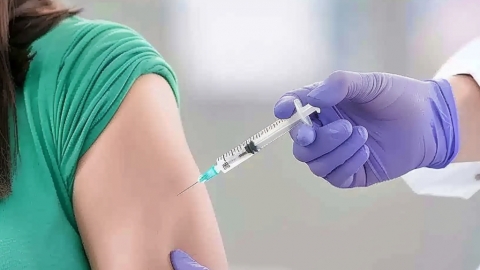
Although the MMR vaccine contains trace amounts of chicken embryo components, it undergoes a purification process. Individuals with mild egg allergy who only experience minor skin rashes or itching may usually receive the vaccine safely after a professional evaluation confirms no contraindications. After vaccination, they should remain at the site for adequate observation to monitor any physical reactions.
For individuals with severe egg allergy—such as those who have previously experienced difficulty breathing, vomiting, or anaphylactic shock—or those currently in an active phase of allergic reaction, receiving the MMR vaccine may trigger a severe allergic response and vaccination must therefore be strictly avoided. These individuals should inform the vaccinating physician of their allergy history in advance so that the doctor can develop an appropriate alternative immunization plan.
Prior to vaccination, individuals should proactively disclose the specific symptoms of their egg allergy and cooperate with the doctor’s assessment. After vaccination, they should keep the injection site clean and dry, avoid scratching, maintain a light diet in the short term, and avoid eggs and egg-containing products to reduce potential allergenic triggers.