


Are loquats cooling or heating in nature?
May 18, 2026
Source: Cainiu Health

Dr. Sun Lianqing
Introduction
Generally, loquat is considered a “cool”-natured fruit. It should be consumed in moderation. Overconsumption may increase the burden on the gastrointestinal tract—especially for individuals with spleen and stomach deficiency-cold—potentially causing discomfort such as abdominal distension and diarrhea. Unripe loquats have an astringent, sour taste and contain relatively high levels of tannic acid; therefore, they are not suitable for consumption. Loquats should be thoroughly washed before eating to remove any residual pesticide. Patients with diabetes should consume loquats cautiously to avoid adverse effects on blood glucose stability.
Generally speaking, loquat is considered a “cool”-natured fruit in traditional Chinese medicine. It should therefore be consumed in moderation. A detailed analysis follows:
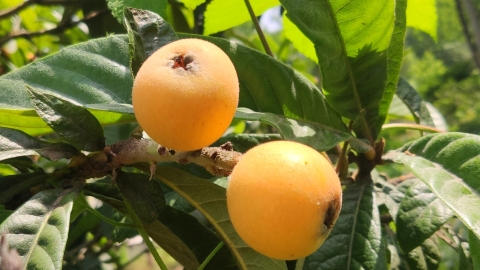
Loquat has a sweet and slightly sour taste and a cool nature, entering the Lung and Stomach meridians. Its nature is mild yet slightly cooling, enabling it to both nourish the body and exert certain dietary therapeutic effects—making it especially suitable for consumption during hot, dry seasons. Loquats are rich in vitamin C, vitamin E, dietary fiber, and minerals such as potassium and calcium. They also contain unique bioactive compounds, including loquat polysaccharides and organic acids. With its refreshing, sweet, and juicy flavor, loquat helps alleviate dry throat and stimulates salivation. Its cooling property contributes to clearing heat, moistening the lungs, resolving phlegm, and relieving cough—offering mild relief for symptoms such as light cough or sore throat caused by lung heat. Additionally, loquat promotes fluid production to quench thirst, stimulates appetite, and aids digestion, thereby alleviating discomforts like dry mouth, sore tongue, and poor appetite. Moderate consumption may also support intestinal motility and improve digestive function.
Excessive intake, however, may overburden the gastrointestinal system—particularly in individuals with deficient Spleen and Stomach Qi accompanied by cold-dampness—potentially causing abdominal distension or diarrhea. Unripe loquats have an astringent, sour taste and contain relatively high levels of tannins, making them unsuitable for consumption. Prior to eating, loquats must be thoroughly washed to remove any residual pesticides. Individuals with diabetes should consume loquats cautiously to avoid adverse effects on blood glucose stability.



