


Why hasn’t my weight increased at 14 weeks of pregnancy?
May 27, 2026
Source: Cainiu Health

Dr. Zhang Lu
Introduction
In general, failure to gain weight by the 14th week of pregnancy may result from inadequate dietary intake, increased metabolic rate during pregnancy, pregnancy-related gastroenteritis, gestational hyperthyroidism, or abnormal liver function during pregnancy. If any discomfort symptoms arise, it is advisable to seek prompt medical evaluation and treatment at a reputable hospital. In daily life, maintain regular meal patterns and ensure balanced nutritional intake to meet the requirements of pregnancy.
Generally, failure to gain weight by week 14 of pregnancy may result from inadequate dietary intake, accelerated maternal metabolism during pregnancy, gestational gastroenteritis, gestational hyperthyroidism, or gestational liver dysfunction. If any discomfort or concerning symptoms arise, prompt consultation and treatment at a reputable hospital are recommended. A detailed analysis follows:
1. Inadequate Dietary Intake
Mild residual nausea and vomiting from early pregnancy, along with reduced appetite, may lead to insufficient daily caloric and nutrient intake—failing to meet the requirements for healthy weight gain. Adopting a strategy of small, frequent meals with light, easily digestible, nutrient-rich foods—and gradually increasing portion sizes—helps ensure balanced nutritional support.
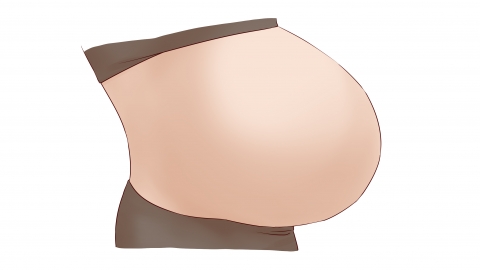
2. Accelerated Maternal Metabolism During Pregnancy
During the second trimester, maternal blood volume increases significantly, elevating basal metabolic rate. Consequently, daily energy and nutrient expenditure rises, making it difficult for nutrients to accumulate as weight gain. Ensuring adequate rest and incorporating gentle, pregnancy-appropriate physical activity can help stabilize metabolic function and minimize excessive nutrient consumption.
3. Gestational Gastroenteritis
Mild gastrointestinal inflammation impairs digestion and absorption, preventing efficient utilization of dietary nutrients and resulting in stalled weight gain. Under medical guidance, medications such as montmorillonite powder, triple-strain bifidobacterium capsules, and lactase tablets may be prescribed. Additionally, maintaining a bland, low-residue diet helps reduce gastrointestinal burden.
4. Gestational Hyperthyroidism
Excessive thyroid hormone secretion abnormally accelerates metabolism, leading to continuous depletion of stored nutrients and suppression of weight gain. Treatment under physician supervision may include antithyroid agents such as propylthiouracil tablets, methimazole tablets, and propranolol tablets, alongside regular monitoring of thyroid function.
5. Gestational Liver Dysfunction
Impaired hepatic synthetic and metabolic functions disrupt nutrient metabolism, hindering normal nutrient storage and contributing to stagnant weight gain. Hepatoprotective medications—including hepatoprotective tablets, silybin capsules, and polyene phosphatidylcholine capsules—may be prescribed per medical advice. Avoiding sleep deprivation and excessive fatigue is essential to reduce hepatic metabolic stress.
In daily life, maintain consistent eating habits and ensure balanced intake of nutrients essential for pregnancy. Prioritize sufficient, high-quality sleep to support stable metabolic function. Complete all scheduled prenatal examinations on time to monitor maternal health parameters and fetal development, enabling timely identification and management of any abnormalities.




