


Which is more serious: pelvic adhesions or intrauterine adhesions?
Jun 03, 2026
Source: Cainiu Health

Dr. Zhang Lu
Introduction
In general, whether pelvic adhesions or intrauterine adhesions are more severe depends on the patient’s specific symptoms. If any discomfort occurs, prompt medical consultation is recommended. Adjust lifestyle according to physical symptoms: reduce prolonged standing and vigorous running when experiencing frequent dull aching or distension in the lower abdomen; keep the abdomen warm during menstruation; and avoid excessive consumption of raw, cold, or cooling foods.
Generally, the severity of pelvic adhesions versus intrauterine adhesions depends on the patient’s specific symptoms. If any discomfort arises, prompt medical consultation is recommended. A detailed analysis follows:
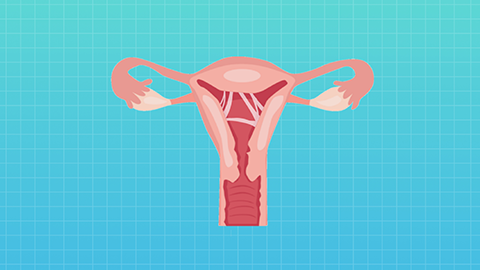
Pelvic adhesions primarily involve abnormal fibrous bands connecting internal abdominal structures. In mild cases, patients may experience only occasional lower abdominal heaviness or a slight worsening of menstrual discomfort. As adhesions spread, they may pull on the fallopian tubes, impeding oocyte transport; some individuals develop persistent dull lower abdominal pain, and fertility declines progressively during attempts to conceive. When adhesions involve the intestines or bladder, bowel movements and urination become repeatedly disrupted, leading to recurrent bloating and urinary frequency.
Intrauterine adhesions (IUA), by contrast, occur specifically within the uterine cavity and affect the endometrium. Mild IUA often manifests solely as reduced menstrual flow. However, more extensive adhesions cause significant endometrial damage, obstructing menstrual outflow and resulting in severe dysmenorrhea. The diminished uterine cavity volume compromises embryo implantation, directly contributing to infertility. During pregnancy, IUA increases the risk of embryonic arrest or miscarriage; in cases of complete intrauterine adhesion, amenorrhea may occur.
Adjust lifestyle according to bodily symptoms: minimize prolonged standing and vigorous running when experiencing frequent lower abdominal soreness or heaviness; maintain abdominal warmth during menstruation; and limit intake of raw, cold, or cooling foods. For those planning conception, undergo relevant evaluations as early as possible. Seek timely medical evaluation if sudden menstrual reduction or persistent abdominal pain occurs.






