What is the normal fetal heart rate at 20 weeks?
Jun 03, 2026
Source: Cainiu Health

Dr. Zhang Lu
Introduction
Under normal circumstances, the fetal heart rate of a 20-week-old fetus ranges from 110 to 160 beats per minute. If any discomfort occurs, prompt medical consultation is recommended. Adjust your daily routine according to changes in the fetal heart rate: ensure balanced meals with both animal and plant-based foods; consume adequate lean meat and fresh fruits and vegetables to meet nutritional needs; and take leisurely walks during free time.
Under normal circumstances, the fetal heart rate at 20 weeks’ gestation typically ranges from 110 to 160 beats per minute (bpm). If any discomfort or concerning symptoms arise, prompt medical consultation is recommended. A detailed explanation follows:
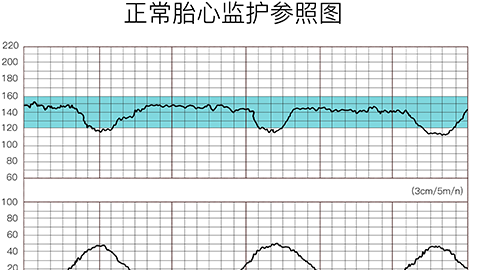
By the 20th week of gestation, the fetal cardiovascular system has largely matured, and a heart rate of 110–160 bpm represents an evolutionarily established physiological norm. At this stage, fetal myocardial contractility steadily increases, and systemic circulation follows a stable rhythm. Transient tachycardia is often associated with maternal fatigue, brief episodes of hypoxia, or emotional fluctuations, whereas bradycardia commonly occurs during fetal sleep. When the fetus is awake and active in utero, the heart rate tends toward the upper end of the normal range; conversely, it gradually slows during sleep, often approaching the lower limit. As long as the heart rate remains within the defined range, cardiac function is generally stable and reassuring. Maternal blood oxygenation and nutritional status may also indirectly influence fetal heart rate; brief fluctuations that rapidly return to the normal range are typically benign and do not warrant concern.
To support optimal fetal heart health, adjust your daily routine accordingly: ensure balanced meals with adequate lean protein and fresh fruits and vegetables to meet nutritional needs. During leisure time, take gentle walks at a relaxed pace and avoid prolonged exposure to enclosed, hot, or poorly ventilated environments. Maintain a calm and positive emotional state—minimize intense anger or anxiety—and adhere to a consistent nighttime sleep schedule.