What causes scalp swelling without pain?
Jun 08, 2026
Source: Cainiu Health

Dr. Li Feng
Introduction
In most cases, scalp swelling without pain may be caused by factors such as sleeping pressure, excessive fluid intake, seborrheic dermatitis of the scalp, hypoalbuminemia, or obstruction of scalp lymphatic vessels. If any discomfort arises, prompt medical consultation is recommended. In daily life, maintain proper scalp care—keep the scalp clean and清爽 (refreshed)—and avoid prolonged pressure on the scalp. Additionally, develop habits of regular hydration and a balanced diet.
Generally, painless scalp swelling may result from factors such as sleep-related pressure, excessive water intake, seborrheic dermatitis of the scalp, hypoalbuminemia, or obstruction of scalp lymphatic vessels. If associated discomfort occurs, prompt medical consultation is recommended. A detailed analysis follows:
1. Sleep-Related Pressure
Long-term side sleeping or using an overly firm pillow can compress local scalp blood vessels, impairing circulation and leading to painless edema. Switching to a soft, breathable pillow, adjusting sleeping posture, and gently massaging the scalp upon waking can alleviate this condition.
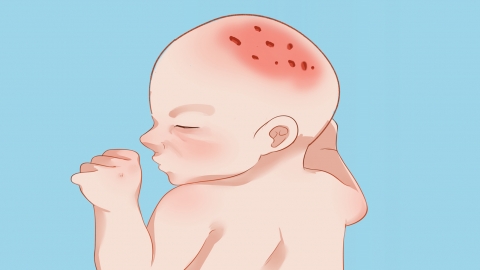
2. Excessive Water Intake
Ingesting large volumes of water over a short period may overwhelm the body’s metabolic capacity, causing excess fluid to accumulate in the loose connective tissue of the scalp and resulting in edema. Moderating daily water intake, reducing fluid consumption before bedtime, and engaging in appropriate physical activity to support metabolism are advisable.
3. Seborrheic Dermatitis of the Scalp
This condition arises from abnormal sebaceous gland secretion on the scalp, triggering mild inflammatory edema. During stable phases, it is typically painless but often accompanied by increased scalp oiliness. Under medical guidance, vitamin B6 tablets, loratadine tablets, or ebastine tablets may be prescribed. Regular scalp cleansing and maintaining scalp dryness are also essential.
4. Hypoalbuminemia
Insufficient plasma protein levels reduce plasma oncotic pressure, allowing fluid to leak into scalp soft tissues and cause diffuse, painless edema. As directed by a physician, compound amino acid capsules, oral albumin solution, or multivitamin-mineral tablets may be administered. Daily dietary intake should include high-quality protein sources such as eggs and lean meat.
5. Obstruction of Scalp Lymphatic Vessels
Localized impairment of lymphatic circulation in the scalp impedes lymphatic drainage, leading to persistent, painless edema. Medications such as diosmin tablets, aescin tablets, or melilotus extract tablets may be prescribed under medical supervision; in severe cases, surgical lymphatic vessel clearance of the scalp may be required.
Routine scalp care—including keeping the scalp clean and dry—and avoiding prolonged scalp compression are crucial. Establishing habits of regular hydration and balanced nutrition helps maintain normal metabolic and circulatory function. If scalp edema persists without resolution, timely hospital evaluation is necessary to identify the underlying cause and initiate appropriate intervention.