


What are the screening methods for uterine abnormalities?
Jun 18, 2026
Source: Cainiu Health

Dr. Zhang Lu
Introduction
Common screening methods for uterine abnormalities typically include gynecological ultrasound, cervical cytology (Pap smear), human papillomavirus (HPV) testing, hysteroscopy, and blood hormone assays. If you experience any discomfort or symptoms, it is advisable to seek evaluation and screening at a reputable hospital promptly. Detailed analysis is provided below: Additionally, uterine abnormality screening may also involve colposcopy.
Under normal circumstances, common screening methods for uterine abnormalities include gynecological ultrasound, cervical cytology (Pap smear), human papillomavirus (HPV) testing, hysteroscopy, and blood hormone assays. If you experience any discomfort or unusual symptoms, it is advisable to seek evaluation at a reputable hospital promptly. A detailed explanation of each method follows:
1. Gynecological Ultrasound
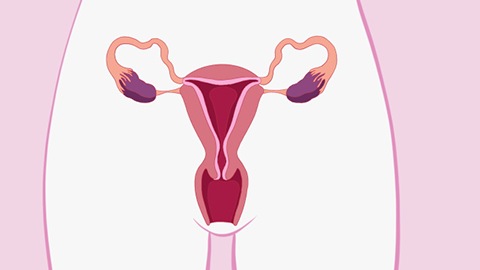
Gynecological ultrasound is a fundamental screening tool that uses sound waves to generate images of the uterus, enabling assessment of its shape, endometrial thickness, and intrauterine environment. It clearly visualizes changes in the myometrium and uterine cavity structure, helping identify organic abnormalities such as uterine fibroids, endometrial polyps, and endometrial hyperplasia, thereby providing an intuitive assessment of whether uterine tissue architecture remains normal.
2. Cervical Cytology (Pap Smear)
Cervical cytology involves collecting superficial cervical cells for microscopic examination of cellular morphology and structural changes. Atypical or disordered cellular features suggest abnormal cervical mucosal proliferation, allowing early detection of potential cervical lesions and aiding in the identification of abnormalities in the lower uterine segment and cervix.
3. Human Papillomavirus (HPV) Testing
HPV testing analyzes cervical secretions to detect the presence of HPV infection. Persistent infection with high-risk HPV types can damage cervical tissue and progressively lead to cervical dysplasia or cancer. This test helps confirm HPV infection status and estimate the risk of developing cervical or uterine cervical pathology.
4. Hysteroscopy
Hysteroscopy involves inserting a slender, lighted instrument into the uterine cavity to directly visualize the endometrial surface. It enables precise identification of subtle abnormalities—such as small polyps, intrauterine adhesions, or endometrial lesions—that may be missed on ultrasound. Suspicious tissue samples can also be biopsied during the procedure, significantly enhancing diagnostic accuracy.
5. Blood Hormone Assay
Blood hormone assays measure circulating sex hormone levels via venipuncture. Sex hormones regulate endometrial proliferation and shedding; hormonal imbalances can cause menstrual disorders and endometrial pathology. This test helps determine whether functional uterine abnormalities stem from endocrine dysfunction.
In addition, other screening modalities—such as colposcopy—may also be employed. In daily life, women should undergo routine gynecologic screening, maintain proper genital hygiene, and promptly identify uterine abnormalities to facilitate timely intervention and treatment.



