


What causes patchy hair loss (alopecia)?
Jul 07, 2026
Source: Cainiu Health

Dr. Li Feng
Introduction
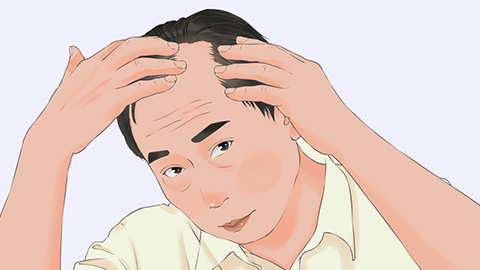
In general, localized hair loss (e.g., patchy baldness) may result from prolonged mental stress, chronic sleep deprivation or irregular sleep patterns, alopecia areata, seborrheic dermatitis, or tinea capitis. If associated symptoms develop, prompt consultation and treatment at a reputable hospital are recommended. In daily life, maintaining regular sleep–wake habits and avoiding long-term sleep deprivation are essential. Additionally, managing psychological well-being and minimizing emotional stress are important preventive measures.
Generally, localized hair loss (alopecia) may result from chronic psychological stress, sleep deprivation and irregular sleep patterns, alopecia areata, seborrheic dermatitis, or tinea capitis. If associated symptoms arise, prompt consultation at a reputable hospital is recommended for proper diagnosis and treatment. A detailed analysis follows:
1. Chronic Psychological Stress
Prolonged mental tension and anxiety can impair blood circulation in the scalp follicles, causing them to prematurely enter the telogen (resting) phase and resulting in localized, patchy hair loss. Daily emotional regulation—such as engaging in outdoor activities and maintaining a calm, balanced mindset—is advised.
3. Alopecia Areata
This autoimmune disorder occurs when the body’s immune system mistakenly attacks hair follicles on the scalp, leading to follicular atrophy and well-demarcated, round patches of hair loss. Treatment may include topical minoxidil solution, halometasol cream, or mometasone furoate cream, as prescribed by a physician. Additionally, maintaining regular sleep-wake cycles and minimizing emotional fluctuations are beneficial.
4. Seborrheic Dermatitis
Excessive sebum production on the scalp can clog hair follicles and trigger superficial inflammation, damaging the hair roots and causing localized hair loss—often accompanied by increased scalp oiliness and dandruff. Under medical supervision, treatments may include selenium sulfide shampoo, ketoconazole shampoo, and oral vitamin B6 tablets. Maintaining a clean, dry scalp is essential.
5. Tinea Capitis
Fungal infection of the scalp and hair follicles disrupts normal hair growth architecture, leading to patchy hair loss—commonly associated with pruritus (itching) and crusting. Antifungal therapy—such as oral itraconazole capsules, terbinafine hydrochloride tablets, or fluconazole capsules—may be prescribed. In severe cases involving follicular necrosis, autologous hair follicle transplantation may be required.
In daily life, maintaining regular sleep habits and avoiding chronic sleep deprivation is crucial. Emotional well-being should be actively supported to reduce psychological stressors. Scalp hygiene must be prioritized, while frequent chemical treatments (e.g., perming, dyeing) should be avoided. Early intervention upon noticing localized hair loss helps preserve follicular health.




