


What Causes Shingles?
Jul 11, 2026
Source: Cainiu Health

Dr. Liu Wenmin
Introduction
In general, herpes zoster may be triggered by factors such as excessive fatigue, severe mental stress, upper respiratory tract infections, reactivation of the varicella-zoster virus (which remains dormant after chickenpox), or immunocompromised conditions. If symptoms arise, it is advisable to seek timely medical evaluation and treatment at a reputable hospital. In daily life, maintain a regular sleep schedule and avoid prolonged熬夜 (staying up late) or overexertion. Additionally, promptly manage and regulate negative emotions.
Generally, herpes zoster (shingles) may be triggered by factors such as excessive fatigue, severe psychological stress, upper respiratory tract infections, latent varicella-zoster virus (VZV) following chickenpox recovery, or immunocompromised conditions. If symptoms develop, prompt consultation and treatment at a reputable hospital are recommended. A detailed analysis follows:
1. Excessive Fatigue
Prolonged physical overexertion leads to transient immunosuppression, reactivating the latent varicella-zoster virus residing in the body and triggering cutaneous lesions. Maintain a balanced work-rest schedule, ensure adequate rest, and avoid chronic physical exhaustion.
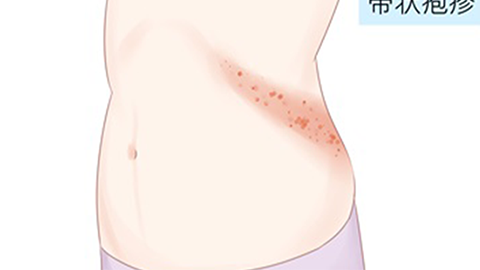
2. Severe Psychological Stress
Chronic anxiety and tension disrupt normal metabolism and weaken immune defenses, thereby reactivating dormant viruses and precipitating shingles. Practice daily emotional regulation, engage in appropriate relaxation techniques, maintain mental equilibrium, and avoid prolonged psychological strain.
3. Upper Respiratory Tract Infection
Infection caused by pathogenic organisms invading the respiratory tract reduces systemic resistance, impairing control over latent viral replication and consequently inducing cutaneous vesicular eruptions. Antibiotics or antivirals—such as amoxicillin capsules, ribavirin granules, or Pudilan anti-inflammatory tablets—may be prescribed per physician guidance. Additionally, maintain proper warmth and prevent common colds.
4. Latent Virus Following Chickenpox Recovery
After chickenpox resolution, residual varicella-zoster virus remains dormant within dorsal root ganglia. During periods of compromised health, the virus proliferates extensively, invading nerves and skin to cause shingles. Under medical supervision, antiviral agents—including acyclovir tablets, famciclovir tablets, and mecobalamin tablets—may be administered; maintaining regular sleep-wake cycles also helps enhance immunity.
5. Immunocompromised Conditions
Underlying immune dysfunction results in progressively diminished antiviral capacity, permitting persistent viral invasion of nerves and skin, leading to extensive vesicular eruptions and severe neuralgia. Immune-modulating agents—such as transfer factor oral solution, thymopeptide enteric-coated tablets, or vitamin C tablets—may be prescribed per physician instructions. For refractory postherpetic neuralgia, nerve blockade procedures may be considered.
In daily life, maintain regular作息 (sleep-wake) patterns and avoid chronic sleep deprivation or overwork. Proactively manage negative emotions and adhere to moderate physical exercise. Promptly address conditions such as colds or infections to sustain optimal immune function and reduce the risk of viral reactivation and disease onset.


