


What Are the Symptoms of a Weak Spleen?
Aug 07, 2026
Source: Cainiu Health

Dr. Sun Lianqing
Introduction
Poor spleen function often manifests as reduced appetite, abdominal discomfort, abnormal bowel movements, limb fatigue, and a sallow or dull complexion. These symptoms all stem from impaired spleen function—specifically, its roles in transforming and transporting qi and blood, and metabolizing water and dampness. Persistent presence of multiple symptoms warrants timely medical consultation and treatment. When the spleen’s ability to transform and transport food and fluids declines, digestive efficiency decreases, leading to a natural reduction in food intake.
When the spleen functions poorly, common symptoms include decreased appetite, abdominal discomfort, abnormal bowel movements, limb fatigue, and a sallow or dull complexion. These symptoms all stem from impaired spleen function—specifically, its roles in transforming and transporting Qi and blood, as well as metabolizing water-dampness. Persistent presence of multiple symptoms warrants timely medical consultation and appropriate regulation.
1. Decreased Appetite:
A decline in the spleen’s ability to transform and transport food and fluids reduces digestive efficiency. As a result, individuals often consciously reduce food intake, leading to markedly diminished appetite. Postprandial sensations of food stagnation and abdominal distension are common; over time, this may progress to chronic anorexia.
2. Abdominal Discomfort:
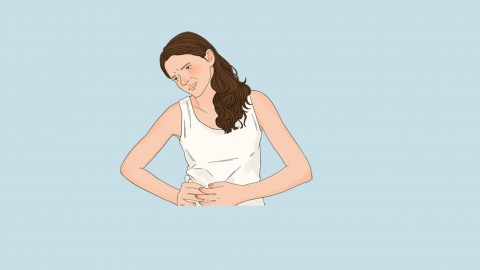
Impaired flow of Spleen Qi leads to accumulation of water-dampness in the abdomen, frequently causing bloating and dull, lingering abdominal pain. Symptoms tend to worsen following exposure to cold, physical exertion, or consumption of cold or raw foods.
3. Abnormal Bowel Movements:
Weakness of the Spleen and Stomach impairs normal transformation and transportation of water-dampness, resulting in internal retention of dampness that affects intestinal function. This commonly manifests as loose, unformed stools; some individuals may experience sticky, difficult-to-pass stools or a sensation of incomplete evacuation.
4. Limb Fatigue:
Inadequate production of Qi and blood by the Spleen and Stomach deprives the body’s organs and limbs of sufficient nourishment, leading to persistent lethargy, generalized weakness, reduced stamina during daily activities, and heightened susceptibility to fatigue.
5. Poor Complexion:
Deficiency of Qi and blood prevents adequate nourishment of the face, resulting in a sallow, dull, and lusterless complexion among those with Spleen deficiency. In some cases, periorbital edema may also be present.
For daily care, maintain a light, warm, and moist diet; avoid overeating or irregular eating habits; limit intake of cold, raw, or heavy foods; ensure adequate rest and avoid staying up late; and incorporate gentle, low-intensity exercise to support gradual, harmonious regulation of Spleen function.





