What Causes Toothache?
Aug 10, 2026
Source: Cainiu Health

Dr. Liu Chao
Introduction
Toothache may result from factors such as exposure to extreme temperatures in food and beverages, sleep deprivation leading to “excess internal heat,” gingivitis, pulpitis, or pericoronitis of impacted wisdom teeth. It can be alleviated through measures including a bland diet, regular sleep patterns, and appropriate symptomatic medication. However, if the toothache is severe, recurrent, or interferes with eating, prompt medical attention is required. Frequently alternating between extremely cold and hot foods can irritate the dentin of the teeth, causing…
Toothache may result from exposure to extreme temperatures in food and beverages, staying up late (leading to “internal heat”), gingivitis, pulpitis, or pericoronitis around impacted wisdom teeth. Symptoms can be alleviated through a bland diet, regular sleep patterns, and targeted medication. However, if tooth pain is severe, recurrent, or interferes with eating, prompt medical consultation is essential.
1. Thermal stimulation from food and drinks: Frequently alternating between extremely cold and hot foods irritates the dentin, causing dental hypersensitivity and transient sharp or sour pain. It is recommended to consume foods and beverages at moderate temperatures, avoid alternating cold and hot items, and reduce intake of acidic, sweet, or otherwise irritating foods.
2. Internal heat due to sleep deprivation: Chronic lack of sleep and irregular作息 disrupts the body’s balance, leading to ascending “deficient fire” and reduced resistance of oral mucosa—manifesting as diffuse, dull, or throbbing tooth pain. Establishing consistent sleep habits, ensuring adequate rest, drinking warm water regularly, and maintaining a light diet can help clear internal heat.
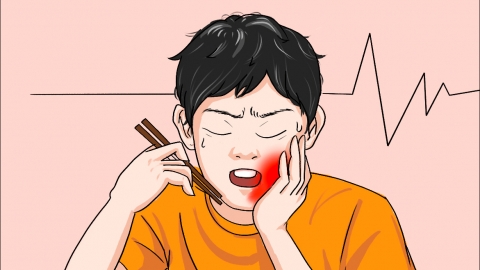
3. Gingivitis: Prolonged irritation from dental plaque and food debris triggers mild inflammation of the gums, resulting in gingival erythema, swelling, dull pain, and bleeding during brushing. Under medical guidance, topical or systemic treatments—including chlorhexidine compound mouthwash, amoxicillin capsules, and iodine glycerin—may be used to alleviate symptoms.
4. Pulpitis: Dental caries progressing into the dental pulp cause inflammatory edema and increased intrapulpal pressure, leading to spontaneous pain that often intensifies at night. Under physician supervision, medications such as ibuprofen sustained-release capsules, metronidazole tablets, and roxithromycin dispersible tablets may be prescribed for symptomatic relief.
5. Pericoronitis: Partially erupted wisdom teeth create a gingival “blind pouch” where bacteria accumulate, triggering localized inflammation, swelling, and pain—particularly exacerbated during chewing or swallowing. As directed by a healthcare provider, medications such as tinidazole tablets, cefdinir capsules, and Kangfuxin liquid may be used to manage symptoms.
Maintain good oral hygiene by brushing thoroughly twice daily, rinsing after meals, scheduling regular professional dental cleanings, and limiting consumption of hard, overly sweet, or spicy foods. Consistently practicing these habits supports long-term oral health.