


Does allergic purpura require medication?
Sep 07, 2026
Source: Cainiu Health

Dr. Liu Wenmin
Introduction
Not all cases of allergic purpura require drug treatment. Mild cases involving only cutaneous purpura may resolve with rest and supportive care, without the need for pharmacological intervention. However, when the disease involves joints, the gastrointestinal tract, or the kidneys, medications are necessary to control inflammation and alleviate symptoms. Patients experiencing recurrent skin purpura accompanied by abdominal pain or joint swelling and pain should seek medical evaluation promptly.
Not all cases of allergic purpura require pharmacological treatment. Mild, isolated cutaneous purpura may resolve spontaneously with rest and supportive care, without the need for medication. However, when the disease involves joints, the gastrointestinal tract, or the kidneys, drug therapy is necessary to control inflammation and alleviate symptoms. Recurrent skin purpura accompanied by abdominal pain or joint swelling and tenderness warrants prompt medical evaluation and management.
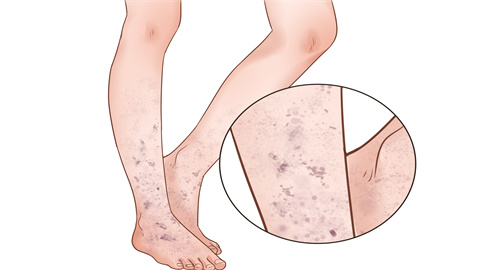
Allergic purpura is a type of vasculitis, commonly triggered by allergic reactions, infections, or constitutional abnormalities, leading to hemorrhage from dermal capillaries and resulting in petechiae and ecchymoses on the skin. In cases presenting with isolated cutaneous lesions and no systemic symptoms, avoidance of known allergens and adequate rest are usually sufficient to promote spontaneous recovery; no medications are required, and regular monitoring of clinical status is adequate.
When multiple organ systems are involved, standardized pharmacological treatment becomes essential. Anti-inflammatory and antiallergic agents help mitigate vascular inflammation and protect capillary integrity. Patients experiencing gastrointestinal colic, arthralgia/arthritis, or renal involvement require tailored pharmacotherapy based on their specific clinical manifestations. Timely intervention helps prevent disease progression and reduces the risk of end-organ damage.
In daily life, maintain a light, low-fat diet and avoid known allergenic foods and environmental triggers. Ensure adequate rest, avoid strenuous physical activity, stabilize vascular health, and thereby lower the risk of disease recurrence.









