How to Treat Rosacea
Sep 16, 2026
Source: Cainiu Health

Dr. Liu Wenmin
Introduction
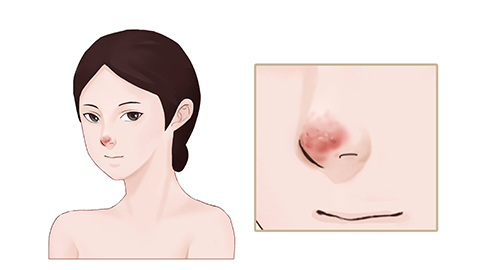
Rosacea can be improved through daily skin care, physical therapy, topical medications, oral medications, and surgical interventions. Consistent, standardized management can help alleviate facial erythema and papules. If rapid nasal swelling, ulceration, or bleeding occurs, prompt medical evaluation and treatment at a hospital are recommended.
Rosacea can be improved through daily skin care, physical therapies, topical medications, oral medications, and surgical interventions. Consistent, standardized management helps alleviate facial erythema and papules. If rapid nasal swelling, ulceration, or bleeding occurs, prompt medical evaluation and treatment are recommended.
1. Daily Skin Care: Maintain gentle facial cleansing and hydration using mild, non-irritating skincare products. Minimize exposure to temperature extremes, spicy foods, and alcohol. Apply broad-spectrum sunscreen when outdoors, avoid prolonged sun exposure, and manage emotional stress to reduce the likelihood of facial vasodilation.
2. Physical Therapies: Utilize light- and energy-based treatments (e.g., lasers or intense pulsed light) to selectively coagulate dilated capillaries and reduce persistent facial erythema. These procedures must be performed at qualified medical facilities. Post-treatment, transient facial redness may occur; therefore, diligent moisturization and strict sun protection are essential to minimize external irritation to the treated area.
3. Topical Medications: Apply prescribed agents to reduce local inflammation, inhibit microbial proliferation at lesion sites, and alleviate papules and pustules. Monitor skin response during treatment; some individuals may experience dryness or desquamation—supplement with appropriate moisturizers to soothe the skin and adhere strictly to the prescribed treatment duration.
4. Oral Medications: When inflammatory involvement is extensive, systemic medications may be prescribed to control the inflammatory response and suppress new lesion formation. During therapy, closely monitor for adverse effects and undergo regular follow-up assessments of relevant clinical parameters. Do not adjust dosage or discontinue treatment without physician guidance, as this may trigger disease relapse or exacerbation.
5. Surgical Intervention: In advanced cases featuring nasal tissue hypertrophy and hyperplasia, surgical reshaping may be performed to restore nasal contour and excise excess tissue. Postoperatively, maintain wound cleanliness, avoid friction or trauma to the site, and allow gradual healing to minimize risks of infection and hypertrophic scarring.
Maintain a regular sleep schedule and avoid late-night activities. In your diet, avoid chili peppers, strong alcoholic beverages, and excessively hot drinks. Use lukewarm (slightly cool) water for facial cleansing, refrain from vigorous rubbing of the nasal skin, and limit contact between affected areas and irritating skincare products.