What are the benefits of taking vitamin E?
Aug 16, 2021
Source: Cainiu Health

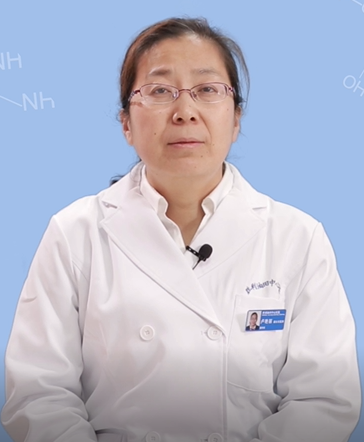
Dr. Liu Wan
Introduction
1. Anti-aging: Inhibits lipid peroxidation induced by free radicals.
2. Lightens hyperpigmentation: Vitamin E neutralizes free radicals and promotes nutrient delivery as well as elimination of metabolic waste.
3. Enhances fertility: Vitamin E strengthens ovarian function and promotes ovarian development.
4. Hormone supplementation: Vitamin E serves as an adjunctive agent in the prevention and treatment of menopausal syndrome.
Vitamin E is commonly found in daily life and is an essential nutrient required for sustaining human physiological functions. In particular, vitamin E deficiency in women may accelerate premature aging. Regular intake of vitamin E is believed to help maintain youthfulness; consequently, an increasing number of women are turning to vitamin E supplementation for anti-aging purposes. But what exactly are the benefits of taking vitamin E? The following section addresses this question.

What Are the Benefits of Taking Vitamin E?
1. Anti-Aging Effects
Vitamin E exerts anti-aging effects primarily through its potent antioxidant activity—specifically, its ability to neutralize free radicals. Within the body, vitamin E undergoes a series of chemical reduction reactions with free radicals, thereby inhibiting lipid peroxidation and protecting cells from oxidative damage. This cellular protection contributes significantly to delaying the aging process.
2. Lightening Hyperpigmentation
Although hyperpigmentation (e.g., age spots or melasma) can arise from multiple causes, vitamin E helps lighten such discolorations by neutralizing free radicals, dilating peripheral blood vessels, and reducing blood viscosity. These actions collectively improve microcirculation, enhance delivery of nutrients to tissues, and facilitate elimination of metabolic waste—thereby optimizing overall physiological function and naturally diminishing pigmentation.

3. Enhancing Fertility
Severe vitamin E deficiency in women may impair fertility and increase the risk of recurrent miscarriage. Vitamin E supports ovarian function and promotes ovarian development. Additionally, it stimulates glandular secretory cells, enhancing their antimicrobial activity and secretion. For women planning pregnancy, appropriate vitamin E supplementation may therefore improve fertility outcomes.
4. Hormonal Regulation
Vitamin E serves as an adjunctive agent in the prevention and management of menopausal syndrome. As individuals age, physiological functions gradually decline, accompanied by a rapid drop in sex hormone levels—leading to symptoms such as irritability, night sweats, and poor sleep quality. Vitamin E helps modulate sex hormone levels, thereby mitigating the rate of hormonal decline and preventing excessive physiological stress responses.

The above outlines the key benefits associated with vitamin E supplementation. We hope this information proves helpful to you.