


How to Regulate Qi and Blood Deficiency Through Dietary Therapy
Dec 09, 2021
Source: Cainiu Health
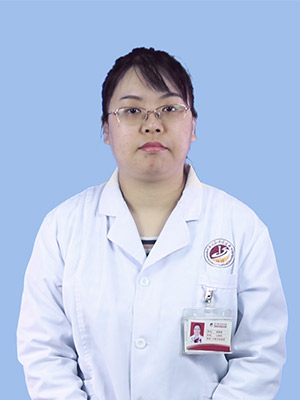
Dr. Kou Linlin
Introduction
It is advisable to regularly consume more jujubes (Chinese red dates), which are considered the best food for women to replenish blood and vital energy (qi). Whether eaten raw or cooked in soups or congee, jujubes are an excellent choice. Experts recommend beginning to eat several jujubes daily—or preparing them in a nourishing soup—starting one week before menstruation, as this can effectively support blood replenishment in women.
Qi and blood deficiency is a common condition among women, primarily resulting from poor dietary habits or unhealthy lifestyle choices in daily life. When qi and blood become deficient, women often exhibit a sallow, fatigued complexion, cold hands and feet, and dysmenorrhea. This condition can adversely affect both mental well-being and physical health. Adjusting one’s diet is an effective method of regulation. Specific recommendations follow:
Dietary Regulation for Qi and Blood Deficiency
In daily life, women should consume more jujubes (Chinese red dates), widely regarded in traditional Chinese medicine as the optimal food for replenishing both blood and qi. Jujubes may be eaten raw or added to soups and congees—both excellent options. Experts recommend beginning consumption of several jujubes per day—or preparing them in nourishing soups—one week prior to menstruation, which effectively supports blood replenishment. Another beneficial food is pork liver. According to Traditional Chinese Medicine (TCM), the timing of pork liver consumption influences its therapeutic effect: eating it before menstruation helps nourish the blood, whereas consuming it during menstruation promotes smooth menstrual flow and ensures complete expulsion of uterine blood.
Red beans are also highly effective for blood replenishment. The most common preparation is red bean congee, which is not only visually appealing but also pleasantly sweet—making it especially suitable for women’s palates. Donkey-hide gelatin (ejiao) is considered one of the most potent blood-tonifying ingredients; it is commonly prepared as a soup with black-boned chicken. Long-term, regular consumption of these foods can yield significant improvement in cases of qi and blood deficiency.
Most importantly, dietary patterns must be adjusted: avoid foods that impede qi and blood production—such as cold beverages and deep-fried foods—and instead emphasize nutrient-rich foods like jujubes, carrots, and donkey-hide gelatin. Consistent adherence to such dietary modifications can effectively improve qi and blood deficiency.
Since qi and blood deficiency typically results from prolonged unhealthy habits, dietary regulation requires long-term commitment to achieve therapeutic benefits. Concurrently, women should eliminate detrimental lifestyle practices and establish a balanced daily routine to gradually restore vitality and mental well-being.
We hope the above information proves helpful. Wishing you a joyful and healthy life!


