How to Regulate Qi and Blood Deficiency Through Dietary Therapy: What Foods Are Most Beneficial?
Dec 23, 2021
Source: Cainiu Health

Dr. Chen Dongfeng
Introduction
Oats are rich in both soluble and insoluble dietary fiber, which can absorb large amounts of cholesterol in the body and facilitate its excretion, thereby reducing excess body fat. Moreover, the abundant linoleic acid in oats helps delay aging and offers supportive therapeutic benefits for conditions such as fatty liver disease, diabetes, edema, and constipation.
Many women experience deficiencies in qi (vital energy) and blood, particularly as they age. Such deficiencies not only affect appearance but also compromise overall health. Prolonged qi and blood deficiency may lead to numerous gynecological disorders; therefore, timely treatment is essential upon noticing these symptoms.
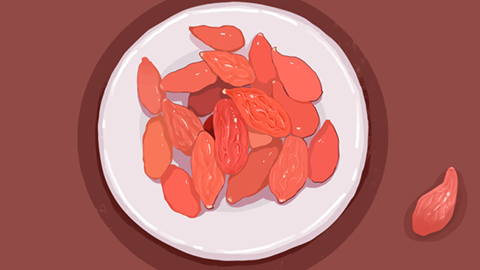
How to Nourish Qi and Blood Through Diet: Which Foods Are Most Effective?
Danggui (Chinese angelica root) is highly effective for replenishing blood. Simmering it with pig’s trotters and consuming other herbal preparations not only boosts blood production but also supplies collagen, enhancing skin smoothness and elasticity.
Research indicates that yogurt may reduce the risk of breast cancer, irritable bowel syndrome (IBS), gastrointestinal inflammation, and digestive disorders. Additionally, yogurt can help alleviate gastric ulcers and vaginal infections, thereby supporting optimal gastrointestinal balance.
Oats are rich in both soluble and insoluble fiber, which bind to cholesterol in the body and facilitate its elimination, thus reducing excess body fat. Their abundant linoleic acid helps delay aging and offers supportive benefits for fatty liver disease, diabetes, edema, and constipation.
Fennel (also known as “small fennel”) has edible young leaves; both its seeds and leaves possess qi-regulating properties. Using the leaves as a filling for dumplings or stir-frying them as vegetables can promote smooth qi flow, strengthen digestion, and relieve abdominal pain—making it especially beneficial for women with qi deficiency. It is generally safe for most people, particularly suitable for those experiencing spasmodic pain or leukopenia. However, individuals with yin deficiency and excessive internal heat should avoid it.
Citrus fruits—not only delicious but also effective at regulating qi and broadening the chest—offer therapeutic benefits beyond their pulp. The white fibrous network surrounding the segments (known as “ju luo” or citrus reticulum) also possesses medicinal value: steeped as a tea, it promotes meridian circulation, resolves phlegm, regulates qi, and alleviates stagnation—proving especially helpful for women with qi deficiency. Citrus fruits are generally safe for most people, but should be avoided by individuals suffering from wind-cold cough or phlegm-damp cough.
Symptoms of qi and blood deficiency are varied and often easily recognizable in daily life. If such symptoms appear, appropriate treatment methods should be adopted promptly. Avoid staying up late, minimize screen time (e.g., computers and smartphones), and maintain a diet rich in fresh fruits and vegetables. Regular physical activity is also recommended to enhance metabolism.
We hope the above information is helpful to you. Wishing you a joyful and healthy life!