


What medications are used to treat vaginitis?
Jan 08, 2022
Source: Cainiu Health

Dr. Cao Ting
Introduction
1. Vulvovaginal candidiasis: Treatment may include oral antifungal medications and intravaginal antifungal suppositories, under the guidance of a physician.
2. Trichomonas vaginitis: Treatment typically involves oral metronidazole, along with intravaginal metronidazole suppositories.
3. Bacterial vaginosis: Antibiotics such as metronidazole or ampicillin may be prescribed under medical supervision to treat infection and inflammation.
Vaginitis is a common gynecological inflammatory condition with multiple subtypes. Women diagnosed with vaginitis should undergo gynecological examination to identify the specific type, followed by targeted pharmacological treatment. For candidal (yeast) vaginitis, topical clotrimazole vaginal suppositories are commonly prescribed; for trichomonal vaginitis, metronidazole vaginal suppositories are recommended. Importantly, sexual intercourse must be avoided during treatment, and both partners should ideally receive concurrent therapy to prevent reinfection.
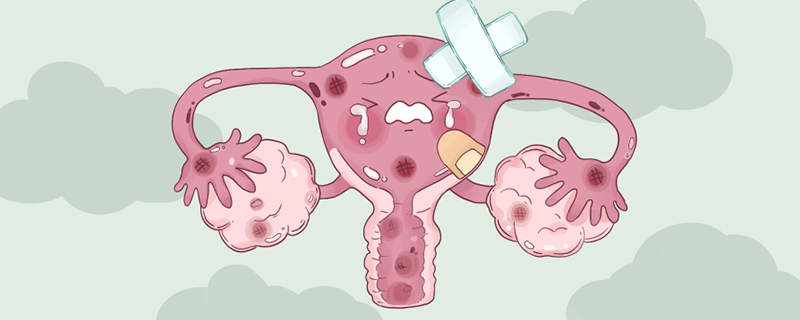
What medications are used to treat vaginitis?
1. Candidal (Yeast) Vaginitis
This form results from infection with Candida species (e.g., C. albicans). Risk factors include frequent or inappropriate antibiotic use, prolonged corticosteroid therapy, diabetes mellitus, and pregnancy. Clinical manifestations include increased vaginal discharge resembling cottage cheese, along with pruritus of the vulva. Treatment typically involves oral antifungal agents and/or topical clotrimazole vaginal suppositories, under medical supervision.
2. Trichomonal Vaginitis
Caused by the protozoan Trichomonas vaginalis, this condition is primarily transmitted via sexual contact and is highly contagious. Symptoms include vulvar pruritus, increased yellowish, frothy vaginal discharge, and sometimes dysuria. First-line treatment includes oral metronidazole combined with intravaginal metronidazole suppositories. Concurrent treatment of both sexual partners is strongly advised to prevent cross-infection.
3. Bacterial Vaginosis
Primarily associated with overgrowth of Gardnerella vaginalis, bacterial vaginosis presents with increased vaginal discharge, vulvar pruritus, and urinary symptoms such as frequency and urgency. Treatment options—under physician guidance—include oral metronidazole or ampicillin. Alternatively, tetracycline may be formulated into vaginal suppositories and inserted deeply into the vagina.
4. Gonococcal Vaginitis
Resulting from unprotected sexual contact with an infected partner, gonococcal vaginitis manifests with lower abdominal pain, increased vaginal discharge (often purulent), and erythema, swelling, and tenderness at the vaginal introitus. Antibiotic therapy typically includes cephalosporins. Adjunctive traditional Chinese medicine (TCM) therapies—such as external fumigation and washing with decoctions containing *Zanthoxylum bungeanum*, *Atractylodes lancea*, *Coptis chinensis*, *Phellodendron amurense*, *Patrinia villosa*, *Cnidium monnieri*, *Pulsatilla chinensis*, *Sophora flavescens*, and *Kochia scoparia*—may be used for seven days per course; one to two courses are generally sufficient for resolution.
5. Pediatric Vaginitis
Commonly occurs in young girls wearing open-crotch pants while sitting or crawling on contaminated surfaces. Clinical signs include vulvar erythema, swelling, pain, and watery vaginal discharge. Washing the vulva and vagina with a decoction of Sichuan pepper (*Zanthoxylum bungeanum*) is often effective. To prevent recurrence, avoid dressing young girls in open-crotch pants.
6. Gestational Vaginitis
During pregnancy, elevated estrogen levels and increased vaginal secretions predispose women to vaginitis—particularly candidal vaginitis. Oral antifungal medications are generally avoided in pregnancy; however, topical antifungals such as nystatin vaginal suppositories may be safely used for moderate-to-severe cases under medical supervision.
7. Atrophic (Senile) Vaginitis
Postmenopausal women experience declining estrogen levels and reduced local immunity, increasing susceptibility to atrophic vaginitis. Characteristic symptoms include thin, pale-yellow vaginal discharge; in severe cases, blood-tinged discharge may occur. Management includes external cleansing with dilute potassium permanganate solution and/or local or systemic estrogen replacement therapy.
The above outlines the major types of vaginitis and their respective treatment approaches. We hope this information is helpful to you.




