What should be done for infertility caused by hyperprolactinemia?
Jan 10, 2022
Source: Cainiu Health
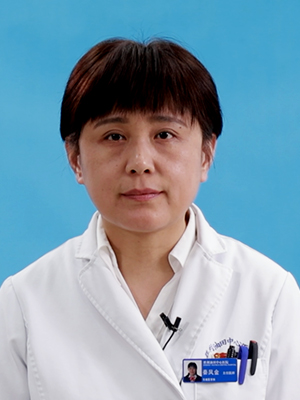
Dr. Qin Fengjin
Introduction
What to do for infertility caused by hyperprolactinemia:
1. **Etiological treatment**:
- If caused by medication, discontinue the offending drug first.
- If due to hypothyroidism, thyroid hormone replacement therapy (e.g., levothyroxine) is indicated.
- If secondary to a pituitary tumor, management depends on tumor size and may include medical therapy or surgical intervention.
2. **Inhibition of prolactin secretion**:
Bromocriptine is the first-line pharmacological agent.
Elevated prolactin levels in women can lead to infertility. Specifically, hyperprolactinemia interferes with normal ovarian function by inhibiting follicular maturation and disrupting ovulation, thereby impairing a woman’s natural fertility. Women diagnosed with hyperprolactinemia may be treated with dopamine agonists that suppress prolactin secretion. Combination therapy is also an option; however, if symptoms arise secondary to medication side effects—particularly those associated with hypothyroidism—drug discontinuation is warranted.

How to Manage Infertility Caused by Hyperprolactinemia
1. Etiology-Based Treatment
Treatment should be tailored according to the underlying cause. If drug-induced, the offending agent should be discontinued first. If due to hypothyroidism, levothyroxine replacement therapy is indicated. In cases of prolactin-secreting pituitary adenoma (prolactinoma), management depends on tumor size and may include medical therapy or surgical intervention.
2. Suppression of Prolactin Secretion
Bromocriptine is the first-line pharmacological agent. It inhibits both the synthesis and secretion of prolactin and can suppress growth—or even induce regression—of microprolactinomas. Common adverse effects include nausea, headache, fatigue, and constipation. Therefore, treatment must be initiated and monitored under physician supervision. Clinical data indicate that serum prolactin levels decline significantly within one week of starting bromocriptine; galactorrhea typically resolves within 2–4 weeks, and menstrual cycles resume. Ovulation and conception are generally observed after 3–6 months of continuous therapy.
3. Combination Therapy
For younger women desiring fertility, pharmacotherapy—primarily bromocriptine—is recommended to restore ovulatory function. If monotherapy yields insufficient results, adjunctive ovulation-inducing agents (e.g., clomiphene citrate or gonadotropins) may be added judiciously.
4. Traditional Chinese Medicine (TCM) Therapy
In TCM, hyperprolactinemia-related infertility is often attributed to deficiencies in liver and kidney yin, as well as qi and blood insufficiency. Accordingly, herbal formulas aimed at nourishing the liver and kidneys, tonifying qi, and enriching blood are commonly prescribed. Frequently used herbs include *Curcuma kwangsiensis* rhizome (Pian Jiang Huang), processed *Arisaema erubescens* (Zhi Nan Xing), *Cornus officinalis* fruit (Shan Yu Rou), *Taxillus sutchuenensis* (Sang Ji Sheng), *Rhodiolae crenulatae* root (Qing Yang Shen), *Curculigo orchioides* rhizome (Xian Mao), processed *Pinellia ternata* (Zhi Ban Xia), and *Psoralea corylifolia* seed (Bu Gu Zhi). However, TCM treatment requires prolonged duration and strict adherence to prescribed dosage regimens.
5. Surgical Intervention
When hyperprolactinemia stems from a pituitary tumor, transsphenoidal microsurgery is the preferred surgical approach for resection of the lesion. Nevertheless, postoperative medical therapy remains essential. Close follow-up—including regular monitoring of serum prolactin levels and assessment of ovarian ovulatory function—is critical to optimize recovery and expedite resolution of infertility.
The above outlines key therapeutic strategies for managing infertility associated with hyperprolactinemia. We hope this information proves helpful.