


How to Treat Bacterial Vaginosis
Feb 14, 2022
Source: Cainiu Health

Dr. Lv Aiming
Introduction
How to Treat Bacterial Vaginosis:
1. **Vaginal Cleansing**: After being diagnosed with bacterial vaginosis, women should cleanse the vaginal area every evening to maintain cleanliness and hygiene. Underwear should be changed promptly to prevent cross-infection by bacteria.
2. **Topical Medications**: During cleansing, topical antiseptic solutions—such as Fuyanjie Wash or Jie’eryin Wash—may be used as adjunctive therapy.
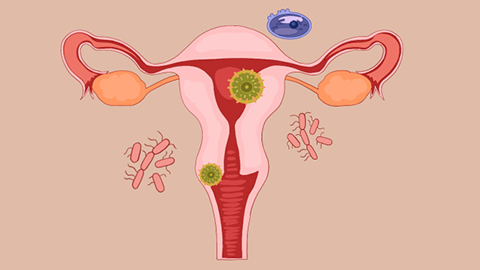
Bacterial vaginosis (BV) is a syndrome caused by a mixed infection involving *Gardnerella vaginalis* and certain anaerobic bacteria, leading to disruption of the vaginal microbiota. It is characterized by increased vaginal discharge, a fishy odor of the leukorrhea, and symptoms such as pruritus and burning sensation in the vulva. So, how is bacterial vaginosis treated? Let’s explore this together.
How to Treat Bacterial Vaginosis
1. Cleansing Therapy
After being diagnosed with bacterial vaginosis, women should perform nightly vaginal cleansing to maintain cleanliness and promptly change undergarments—this helps prevent cross-infection. Therefore, cleansing therapy constitutes the first step in treating bacterial vaginosis.
2. Topical Medications
Adding topical antiseptic solutions—such as Fuyanjie or Jieeryin vaginal washes—or directly using compounded effervescent tablets or vaginal suppositories during cleansing may significantly enhance treatment efficacy for bacterial vaginosis.
3. Oral Antibiotics
For acute bacterial vaginosis, intravenous antibiotic therapy administered at a hospital is recommended, allowing direct delivery of antibiotics into the bloodstream; symptoms are typically controlled within approximately two days. If hospital-based IV therapy is not feasible, oral antibiotics—including azithromycin or amoxicillin—may be prescribed as an alternative.
Precautions for Bacterial Vaginosis
1. Maintain personal hygiene—especially of the vulva and vagina—keeping the vulvar area clean. Wash the external genitalia nightly with warm water.
2. Practice safe sexual hygiene: both partners should thoroughly cleanse the external genitalia before intercourse to prevent cross-infection.
3. Ensure timely diagnosis and treatment of concurrent infections in sexual partners, such as balanitis, prostatitis, or epididymitis.
4. Pay attention to diet: minimize or avoid spicy, highly acidic or alkaline, and cold-natured foods.
We hope the above information is helpful to you.



