


What precautions should be taken after cervical cyst surgery?
Feb 22, 2022
Source: Cainiu Health

Dr. Lv Aiming
Introduction
Postoperative precautions for cervical cyst surgery primarily focus on infection prevention and monitoring for complications.
1. **Infection prevention**: Maintain external genital hygiene by cleansing the area daily with plain water or an antiseptic solution (e.g., Jie Er Yin). This helps effectively prevent pathogenic microorganisms from entering the vagina.
2. **Monitoring for complications**: Pay close attention to symptoms such as abdominal pain or fever.
Cervical cysts primarily develop due to prolonged exposure to inflammatory stimuli in women, compounded by relatively low immune resistance—leading to persistent inflammation and subsequent formation of cervical cysts. So, what precautions should be taken after cervical cyst surgery? Below, we address this question.
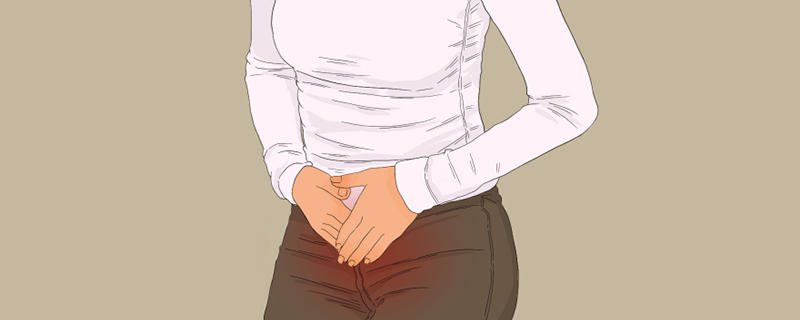
Postoperative Precautions Following Cervical Cyst Surgery
The main postoperative precautions focus on infection prevention and monitoring for complications.
1. Infection Prevention: Maintain external genital hygiene by washing daily with plain water or an antiseptic solution (e.g., Jier Yin wash). This helps prevent pathogenic microorganisms from entering the vagina and reduces the risk of infection at the surgical site on the cervix. Sexual intercourse is strictly prohibited for 20 days postoperatively to avoid dislodging scabs at the wound site, which could cause bleeding or local infection. Bathing in a tub (sitz baths) is also contraindicated for one month following surgery to prevent contaminated bathwater from entering the vagina—potentially causing local infection or even pelvic inflammatory disease. Additionally, oral antibiotics—such as amoxicillin capsules or norfloxacin capsules—are typically prescribed to prevent infection.
2. Monitoring for Complications: After surgery, closely observe for increased vaginal discharge or bleeding. Also monitor for abdominal pain, fever, or other systemic symptoms. If any of these occur, seek immediate medical evaluation and prompt treatment to prevent unnecessary complications.
During recovery, maintain a light, nutritious diet and avoid spicy or irritating foods.
The above outlines key postoperative considerations following cervical cyst surgery. We hope this information is helpful to you.







