


What Are the Treatment Options for Chronic Obstructive Pulmonary Disease (COPD)?
Feb 28, 2022
Source: Cainiu Health

Dr. Chen Yajuan
Introduction
What Are the Treatment Options for COPD?
Currently, pharmacological therapy remains the primary approach for treating chronic obstructive pulmonary disease (COPD). Although COPD is an incurable condition, consistent use of appropriate medications can significantly alleviate clinical symptoms, improve lung function, and prolong survival. Commonly used therapeutic agents include beta-2 adrenergic agonists, such as salmeterol, albuterol, and formoterol.
Currently, the diagnosis of chronic obstructive pulmonary disease (COPD) primarily relies on pulmonary function testing. A diagnosis of COPD can be established when a patient’s FEV1/FVC ratio is less than 70%—in conjunction with clinical symptoms and other relevant factors. To assess disease severity, the percentage of predicted FEV1 may be used for staging. COPD is characterized by incompletely reversible airflow limitation; bronchodilator testing helps differentiate it from conditions such as asthma.
What are the treatment options for COPD?
Pharmacotherapy remains the cornerstone of COPD management. Although COPD is an incurable condition, consistent use of appropriate medications can significantly alleviate clinical symptoms, improve lung function, and prolong survival.
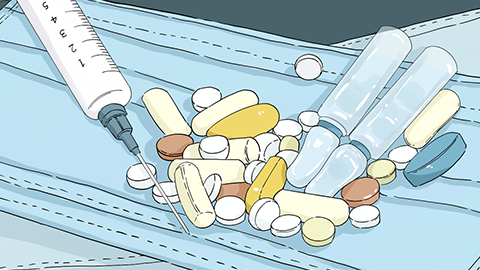
Commonly prescribed medications include: • β2-adrenergic agonists (e.g., salmeterol, albuterol, formoterol, terbutaline); • Anticholinergic agents (e.g., ipratropium bromide); • Expectorants/mucolytics (e.g., carbocisteine, ambroxol); • Corticosteroids (e.g., budesonide, prednisone, dexamethasone); • Methylxanthines (e.g., aminophylline). While systematic treatment often leads to substantial improvement in clinical symptoms, symptom relief does not constitute an indication to discontinue therapy. Patients are advised to follow their clinician’s recommendations and maintain long-term medication adherence.
Patients with COPD should first undergo smoking cessation counseling and support. Smoking is not only a major cause of COPD but also a key factor contributing to its progression. Patients should avoid occupational exposure to irritant gases or airborne dust particles. Regular, moderate physical activity—including cycling, brisk walking, tai chi, and aerobics—can help increase vital capacity. Additionally, COPD patients should take precautions against common colds and influenza, avoiding high-risk environments during flu season.
We hope the above information is helpful to you.




