


Is papillary thyroid carcinoma serious?
Mar 02, 2022
Source: Cainiu Health
Dr. Li Jingzhong
Introduction
Papillary thyroid carcinoma is not considered a particularly severe type of cancer, and the prognosis is generally favorable following prompt and appropriate treatment. It may compress the trachea or esophagus, leading to symptoms such as dysphagia and dyspnea. If diagnosed early and managed actively under a physician’s guidance, most patients have an excellent prognosis and are not at significant risk to life or health.
Papillary thyroid carcinoma (PTC) is the most common type of thyroid cancer and carries the lowest degree of malignancy. It accounts for approximately 85% of all thyroid cancers and can occur at any age, though it is most frequently diagnosed in children or young women (under age 40). Some patients have a history of neck irradiation during childhood. So, how serious is papillary thyroid carcinoma? The following addresses this question.
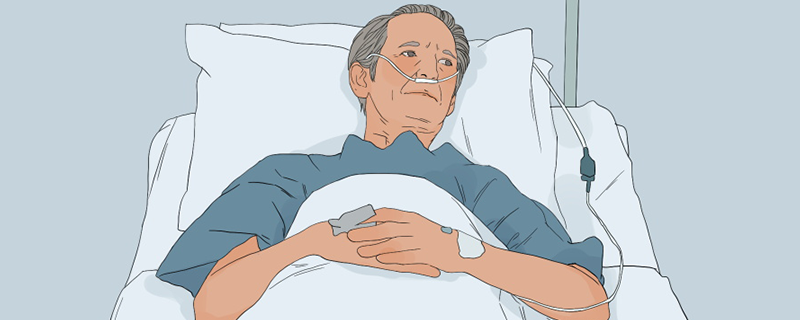
How serious is papillary thyroid carcinoma?
Papillary thyroid carcinoma is not considered a highly aggressive malignancy; with prompt and appropriate treatment, patients generally enjoy an excellent prognosis.
PTC is a relatively common form of thyroid cancer characterized by slow growth and low malignant potential. It typically presents as a thyroid nodule, and many patients remain asymptomatic. However, if the tumor continues to grow, it may compress adjacent structures such as the trachea or esophagus, leading to symptoms including dysphagia (difficulty swallowing) and dyspnea (shortness of breath). When detected early and managed proactively under medical supervision, the prognosis is usually favorable, and the condition poses no significant threat to life or long-term health.
Patients diagnosed with PTC may undergo surgical interventions—such as lobectomy with isthmusectomy or total thyroidectomy—as recommended by their physician. These procedures aim to remove the tumor directly. Postoperatively, radioactive iodine-131 (I-131) therapy is commonly administered to ablate residual thyroid tissue and destroy any remaining cancer cells. For patients with more advanced or symptomatic disease, targeted therapy may be considered. Examples of targeted agents include sorafenib tosylate tablets and lenvatinib mesylate capsules.
Upon diagnosis of papillary thyroid carcinoma, patients should actively cooperate with their healthcare providers to ensure timely and effective treatment, thereby preventing disease progression.
The above provides an overview of the seriousness of papillary thyroid carcinoma. We hope this information is helpful to you.







