


Can Gotu Kola (Centella asiatica) treat cholecystitis?
Mar 14, 2022
Source: Cainiu Health

Dr. Deng Tao
Introduction
Clinically, Lysimachia christinae (Jin Yin Cao) can be used to treat cholecystitis and effectively alleviate clinical symptoms such as right upper quadrant abdominal pain, nausea, and vomiting. However, it is crucial to emphasize that patients must also receive active anti-infective therapy and antispasmodic analgesic treatment. In addition, maintaining the patient’s fluid and electrolyte balance and providing aggressive nutritional support are essential components of management.
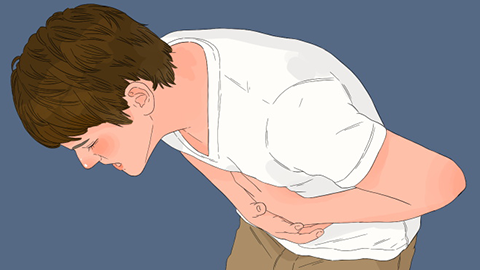
Cholecystitis is a relatively common condition in recent years. When the gallbladder becomes inflamed, patients often experience significant damage to the gallbladder and severe pain in the right upper quadrant of the abdomen—symptoms that may substantially interfere with daily life and work. Traditional Chinese Medicine (TCM) has demonstrated favorable therapeutic effects in managing cholecystitis, and *Lysimachia christinae* (commonly known as “Jin Yin Cao” or “Coinleaf Lysimachia”) is one of the most frequently used herbal remedies. Treatment with this herb helps alleviate patient discomfort and supports the recovery of gallbladder health.
Can *Lysimachia christinae* treat cholecystitis?
Clinically, *Lysimachia christinae* is effective in treating cholecystitis and can significantly relieve symptoms such as right upper quadrant abdominal pain, nausea, and vomiting. However, it is crucial to emphasize that patients must also receive active anti-infective therapy and antispasmodic analgesia. Additionally, maintaining fluid and electrolyte balance and providing adequate nutritional support are essential components of comprehensive management.
In cases of severe cholecystitis—such as when the gallbladder develops suppuration, gangrene, or even perforation—surgical intervention becomes necessary in addition to the aforementioned medical treatments. Prior to surgery, thorough evaluation of the patient’s overall condition is mandatory to rule out any contraindications, thereby ensuring surgical safety and procedural success. With timely presentation and standardized treatment, patients with cholecystitis generally have an excellent prognosis and favorable recovery. After full recovery, regular follow-up visits and dynamic monitoring of the patient’s status are strongly recommended.
*Lidan Paishi Pian* (Gallbladder-Regulating and Stone-Expelling Tablets) is another oral TCM formulation indicated for cholecystitis. The recommended dosage is two tablets per day. Its herbal composition includes *Lysimachia christinae*, *Aucklandia lappa* (Mu Xiang), *Curcuma aromatica* (Yu Jin), *Rheum palmatum* (Da Huang), *Artemisia capillaris* (Yin Chen), *Scutellaria baicalensis* (Huang Qin), *Areca catechu* (Bing Lang), *Citrus aurantium* (Zhi Shi), *Mirabilite* (Mang Xiao), and *Magnolia officinalis* (Hou Po). This formula functions to clear heat, resolve dampness, promote bile secretion, and facilitate stone expulsion. Most patients achieve satisfactory clinical outcomes with this medication, supporting recovery from cholecystitis.
As outlined above, *Lysimachia christinae* is indeed applicable in the treatment of cholecystitis and serves as a key active ingredient in many proprietary Chinese medicines. It exerts a potent therapeutic effect on cholecystitis and effectively alleviates disease-related symptoms. During treatment, patients should prioritize adequate rest and avoid excessive physical exertion. Dietary adjustments are equally important: meals should be light and easily digestible, while raw, cold, or otherwise irritating foods should be avoided.
We hope the information provided above is helpful. Wishing you a happy and healthy life!




