Symptoms of Allergic Reaction to Amoxicillin Capsules
Mar 15, 2022
Source: Cainiu Health

Dr. Shi Jizhou
Introduction
Symptoms of Allergic Reaction to Amoxicillin Capsules: Amoxicillin is primarily used to treat infections caused by Gram-negative bacteria. Allergic reactions to amoxicillin commonly manifest as fever, dizziness, nausea, rash, and pharyngeal edema. In severe cases, patients may develop dyspnea, asphyxia, shock, and even death. Therefore, patients experiencing allergic symptoms should discontinue the medication immediately and seek prompt medical attention.
Amoxicillin capsules are primarily used to treat infections caused by susceptible bacteria, including respiratory tract infections, pharyngitis, tonsillitis, urinary tract infections, genital system infections, and typhoid fever—making them widely applicable. So, what are the symptoms of amoxicillin capsule allergy? Let’s explore this together.
Symptoms of Amoxicillin Capsule Allergy
Amoxicillin is an antibiotic effective against both Gram-negative and Gram-positive bacteria. Allergic reactions to amoxicillin commonly manifest as fever, dizziness, nausea, skin rash, and laryngeal edema. In severe cases, patients may develop dyspnea, asphyxia, shock, and even death. Therefore, if allergic symptoms occur, the drug must be discontinued immediately, and medical attention sought promptly. Antiallergic medications should be administered strictly under physician supervision.
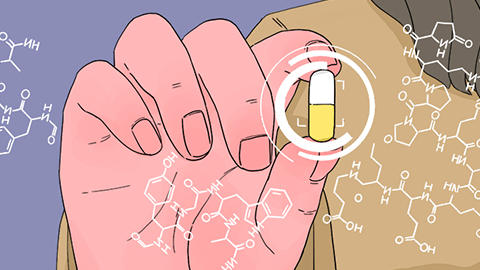
Upon onset of amoxicillin allergy, medication must be stopped immediately to eliminate exposure to the allergen. Intravenous infusion of normal saline may be administered, supplemented with dexamethasone—the dosage of which must be individualized according to disease severity. Dexamethasone may be repeated if clinically indicated. Alternatively, promethazine (an antihistamine) may be administered via injection. In children experiencing amoxicillin allergy, dosing must be carefully adjusted; intravenous calcium gluconate and vitamin C may be given, along with supplemental oxygen therapy to alleviate symptoms. Throughout treatment, close and continuous monitoring of vital signs is essential. Patients with confirmed amoxicillin allergy must also avoid cephalosporin antibiotics. Alternative options include clarithromycin, erythromycin, or azithromycin.
During recovery, patients should consume light, easily digestible foods—such as strawberries, papaya, bananas, apples, cucumbers, pumpkins, and tomatoes. Spicy, greasy, or highly stimulating foods should be avoided, as should seafood, beef, mutton, and dog meat. Alcohol consumption is strictly prohibited, as ethanol may trigger recurrence of allergic symptoms—or even life-threatening complications.
We hope the above information is helpful. Wishing you a joyful life and good health!