What size of ureteral stone requires lithotripsy?
Mar 17, 2022
Source: Cainiu Health

Dr. Wang Jianlong
Introduction
When does a ureteral stone require lithotripsy? Lithotripsy is generally indicated for ureteral stones larger than 0.5 cm. To pass spontaneously, a ureteral stone must traverse the ureter, which contains three physiological constrictions—sites where stones commonly become impacted. Stones smaller than 0.5 cm typically pass uneventfully through the ureter; however, stones larger than 0.5 cm are more likely to lodge at one of these narrow segments and therefore require surgical intervention—such as lithotripsy—to fragment the stone.
Ureteral stones typically cause no obvious symptoms when small; some patients may even experience no discomfort at all. As a result, these stones are easily overlooked and treatment may be delayed. As the stones gradually increase in size and number, symptoms such as painful urination, hematuria (blood in urine), and dysuria (difficulty urinating) may develop—and severe pain may also occur. So, at what size do ureteral stones require lithotripsy? Let’s explore this further.
At What Size Do Ureteral Stones Require Lithotripsy?
Ureteral stones larger than 0.5 cm generally require lithotripsy. When kidney stones migrate outward toward the bladder, they must pass through the ureter. Because the ureter has three physiological narrowings, stones are prone to becoming lodged at one of these constricted sites.
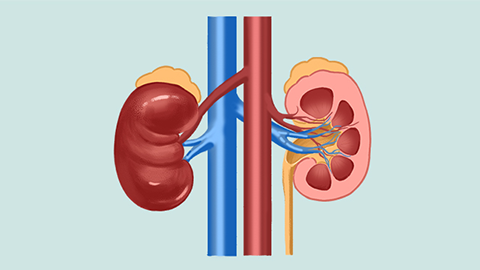
Clinically, stones smaller than 0.5 cm usually pass spontaneously through the ureter without intervention. However, stones larger than 0.5 cm rarely pass unaided and often become impacted at one of the ureteral narrowings. In such cases, surgical intervention—most commonly ureteroscopy with lithotripsy—is required. During this procedure, the stone is fragmented into tiny, sand-like particles that can then pass naturally through the ureter and urethra out of the body.
To facilitate stone expulsion post-lithotripsy, oral medications that promote stone passage may be prescribed—for example, Lysimachia cristata granules, Stone-Expelling Granules, Urinary Tract Health Granules, or Shenshitong Granules. These traditional Chinese herbal preparations possess diuretic and lithoexpulsive properties; only one of these formulations needs to be selected.
Post-lithotripsy care is essential: antibiotics should be taken promptly to prevent infection; dietary adjustments are advised—avoid strongly irritating foods and instead consume easily digestible semi-liquid meals.
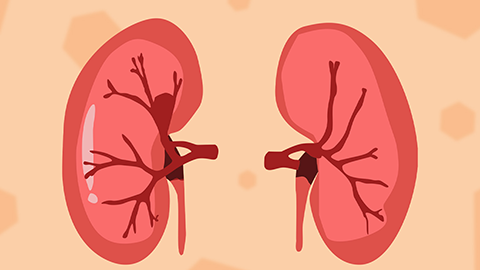
The above addresses the question of when ureteral stones require lithotripsy. After diagnosis of ureteral stones, regular follow-up examinations are crucial. These assessments help monitor changes in stone size, number, and hardness—information vital for guiding subsequent treatment decisions. Any ureteral stone exceeding 0.5 cm warrants prompt medical evaluation and lithotripsy; delaying treatment risks progressive stone enlargement and potential harm to overall health. We hope this information proves helpful to you.