


What foods and substances should be avoided in cataracts?
Mar 20, 2022
Source: Cainiu Health

Dr. Cui Xin
Introduction
What Should Be Avoided in Cataracts?
Patients with cataracts should avoid certain factors. First, they should minimize exposure to intense light—particularly ultraviolet (UV) radiation from sunlight—and wear sunglasses when outdoors to protect the eyes. Second, smoking should be avoided entirely, and alcohol consumption should be limited. Additionally, spicy, irritating foods and pickled or preserved foods are not recommended.
Cataracts are a common condition among middle-aged and elderly individuals, closely associated with the natural aging process of the human body. As people age, the eye’s lens gradually degenerates and becomes cloudy—a process known as age-related cataract formation. So, what should individuals with cataracts avoid? Let’s explore this together.
What Should Be Avoided in Cataracts?
Patients diagnosed with cataracts should avoid certain triggers and habits. First, they must minimize exposure to intense light—especially ultraviolet (UV) radiation from sunlight—and wear UV-protective sunglasses when outdoors to safeguard the eyes. Additionally, smoking should be avoided entirely, and alcohol consumption limited. Spicy, highly stimulating foods—as well as pickled or preserved foods—are best avoided. Instead, patients should consume more brightly colored, fresh vegetables and fruits.
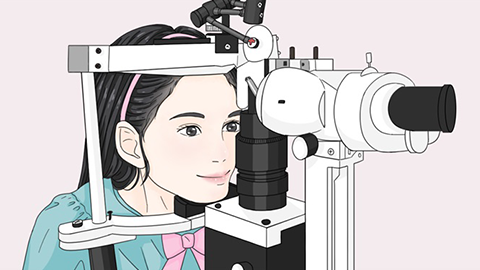
Furthermore, excessive eye strain and late-night activities (e.g., staying up late) should be avoided. Performing eye exercises before bedtime is recommended to promote ocular metabolism. Long-term use of certain medications—including corticosteroids and miotic agents (pupil-constricting drugs)—should also be avoided.
Strategies for Preventing Cataracts
In daily diet, it is advisable to consume foods rich in lutein and zeaxanthin—such as green legumes, leafy green vegetables, pumpkin, and broccoli. These nutrients absorb harmful light entering the eye and, owing to their potent antioxidant properties, help prevent age-related ocular degeneration, slow vision decline, and provide optimal protection for the crystalline lens.
To further prevent cataracts, include more vitamin E–rich foods in your diet—such as peanuts, sesame seeds, daylilies, dairy products, and deep-sea fish. Vitamin E is a powerful antioxidant that helps reduce oxidative damage caused by free radicals to critical cellular components—including proteins, nucleic acids, lipids, and carbohydrates.
We hope the above information is helpful to you.



