How to Stimulate Appetite in Chemotherapy Patients
Mar 20, 2022
Source: Cainiu Health

Dr. Wu Xuehui
Introduction
First and foremost, patients should adopt a pattern of eating smaller meals more frequently. During chemotherapy, the body has its greatest nutritional needs. If patients eat little or nothing at all, they will not only feel weak and fatigued but also experience a decline in immune resistance. In such cases, consuming smaller, more frequent meals can help alleviate symptoms such as nausea and vomiting while ensuring adequate nutrient absorption.
Chemotherapy is a treatment method for malignant tumors that utilizes chemotherapeutic agents. As an adjuvant therapy, it can effectively improve patients’ survival rates. So, how can we stimulate appetite in chemotherapy patients? Let’s explore this together.
How to Stimulate Appetite in Chemotherapy Patients
First, adopt a “small, frequent meals” approach. The body has heightened nutritional demands during chemotherapy. If patients eat little or nothing at all, they may experience profound fatigue and weakened immunity. Eating smaller portions more frequently helps alleviate symptoms such as nausea and vomiting while ensuring adequate nutrient absorption.
When preparing meals, family members should prioritize gentle cooking methods—such as steaming, boiling, or stewing—and minimize the use of oils, salt, and other seasonings. Patients with “heat-pattern” conditions (e.g., fever, inflammation) should avoid pungent, warming foods like scallions, ginger, and garlic. Conversely, those with “cold-pattern” conditions should avoid cold-natured foods and instead consume more fresh vegetables, which may help mitigate chemotherapy-related side effects.
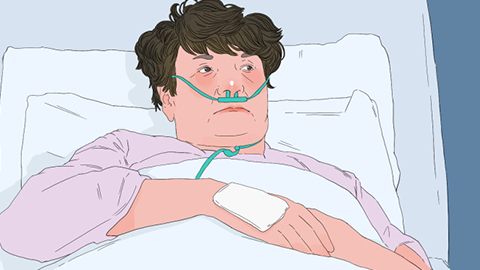
Lastly, incorporate mild appetite-stimulating foods. When chemotherapy patients experience poor appetite, they may benefit from consuming yogurt or fruit juice, or eating appetite-enhancing foods such as hawthorn berries, tomatoes, or lemons. However, patients diagnosed with malignant gastrointestinal tumors should use these cautiously, as excessive gastric acid secretion may trigger discomfort. Regarding dietary choices, patients should be allowed autonomy within safe and medically appropriate limits—avoid imposing excessive restrictions.
These three strategies can help improve appetite in chemotherapy patients. Equally important is emotional support from family members, who should actively encourage patients to eat as much as possible. We hope this information proves helpful to you.