How to Massage the Breasts for Mastitis
Mar 21, 2022
Source: Cainiu Health

Dr. Bu Qingao
Introduction
Mastitis can occur at any time. If mastitis is detected, appropriate massage techniques—such as breast kneading—may be used to alleviate symptoms. The specific steps are as follows: spread the thumb apart while bringing the other four fingers together to form a pincer-like shape; keep the fingertips and palm close to the skin, and begin kneading and pressing from the neck and shoulders down to the breasts, repeating the massage for four to five minutes.
Mastitis is a suppurative infection of the mammary gland, commonly occurring in women during the postpartum lactation period and representing one of the more prevalent conditions among women. If left untreated promptly after onset, mastitis may potentially progress to breast cancer, making subsequent treatment significantly more complex. So, how should one perform breast massage for mastitis? Let’s explore this further below.
How to Perform Breast Massage for Mastitis
Mastitis can occur at any time. Upon diagnosis, gentle manual techniques—such as breast kneading—may be appropriately applied to alleviate symptoms. Specifically, spread the thumb apart while bringing the other four fingers together to form a pincer-like shape. With fingertips and palms gently contacting the skin, begin circular kneading and pressing motions starting from the neck and shoulders down to the breasts, repeating this process for four to five minutes. The pressure applied should be light and gentle; areas with palpable lumps may be massaged repeatedly until the lump softens.
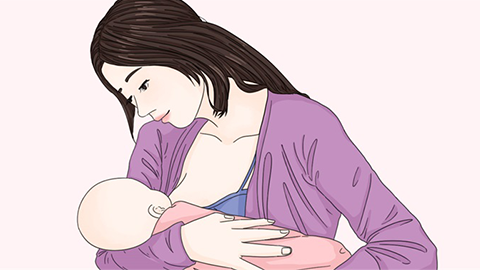
The primary cause of mastitis is milk stasis. Therefore, lactating women should ensure timely emptying of breast milk to prevent accumulation. They should also master proper breastfeeding techniques—ideally avoiding letting the baby fall asleep while suckling at the nipple—and clean the nipples and areolae with warm water before and after each feeding session. Should injury occur to the areolar region, prompt medical intervention is advised to prevent bacterial infection. Additionally, it is crucial to fully drain the breasts after each feeding to avoid milk stasis.
We hope the above information is helpful to you.