What is spastic paralysis?
Mar 22, 2022
Source: Cainiu Health

Dr. Zong Qiang
Introduction
Spastic paralysis is a neurological disorder, also known as spastic paraplegia, characterized by degenerative changes in the nervous system resulting from external trauma or disease. Reported cases indicate that the lesion typically occurs in the spinal cord tissue within the thoracic vertebrae. The primary symptom following onset is impairment affecting the lower limbs; in severe cases, walking ability may be significantly compromised.
Recurrent paralysis is often referred to as spastic paralysis. Spastic paraplegia is a neurodegenerative disorder affecting the central nervous system, characterized pathologically by bilateral axonal degeneration or demyelination of the corticospinal tracts within the spinal cord. Clinically, it typically manifests as increased muscle tone and hyperreflexia in the lower limbs, along with positive pathological reflexes—often resulting in a “scissors gait.” So, what exactly is spastic paralysis? Let’s explore this further.
What Is Spastic Paralysis?
Spastic paralysis is a neurological disorder, also known as spastic paraplegia, resulting from traumatic injury or disease-induced degenerative damage to neural structures. The primary site of pathology is reported to be the spinal cord tissue within the thoracic vertebrae. Following onset, the predominant symptoms involve lower-limb dysfunction, which may severely impair ambulation. Key clinical features include generalized limb paralysis—such as monoplegia, hemiplegia, paraplegia, or quadriplegia—without fasciculations or early-onset muscle atrophy. Instead, patients exhibit increased muscle tone, hyperactive tendon reflexes, and positive pathological reflexes. During the acute phase, spinal shock may occur, presenting clinically with flaccid paralysis.
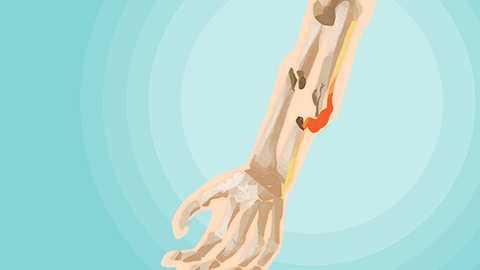
In summary, spastic paralysis is a serious neurological condition. Patients should seek prompt medical evaluation as soon as initial symptoms appear. Early diagnosis enables timely, individualized treatment planning. Delaying medical attention risks missing the optimal therapeutic window, potentially leading to complete paralysis—making subsequent treatment significantly more challenging.
We hope the above information is helpful to you.