Is it normal for babies to burp after feeding?
Mar 30, 2022
Source: Cainiu Health

Dr. Ma Yan
Introduction
Is it normal for babies to hiccup after feeding?
Hiccups after feeding are very common in infants and pose no adverse effects on their health. They are typically caused by exposure to cold or eating too quickly. Improper care—such as allowing the baby to get chilled—can also trigger hiccups. During an episode, offering the baby some warm water may help alleviate the hiccups. In daily care, ensure the baby’s chest and abdomen stay warm, and hold the baby upright for about 30 minutes after each feeding.
Many infants experience hiccups after feeding, a situation that often troubles mothers—who may be unsure why this occurs or whether hiccups affect their baby’s gastrointestinal health, and whether it is normal. So, is hiccupping after feeding normal for infants? Let’s explore this together.
Is hiccupping after feeding normal for infants?
Hiccupping after feeding is a very common phenomenon in infants and poses no adverse effects on their health. It typically occurs due to exposure to cold or overly rapid feeding. There are numerous reasons why infants hiccup after being fed.
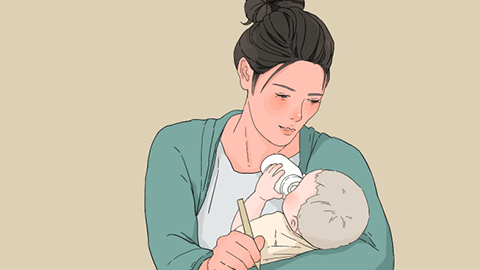
Causes of infant hiccups after feeding
1. Improper parental care—such as exposing the baby to cold—may trigger hiccups. If the infant has no other underlying illnesses but consistently hiccups after feeding, and the hiccups are loud, strong, and persistent, cold exposure is likely the cause. Giving the baby some warm water and ensuring adequate warmth for the chest and abdomen may resolve the hiccups spontaneously.
2. Overfeeding or feeding excessive amounts of cold milk can weaken the infant’s spleen and stomach function, leading to upward movement of stomach qi and subsequent diaphragmatic spasms (i.e., hiccups). In such cases, digestive-regulating approaches may help—for example, gently massaging the infant’s chest and abdomen to guide the trapped gas downward; once the qi flows smoothly, digestion improves and hiccups subside.
3. Hiccups may also occur if the infant feeds too hastily or immediately after crying or becoming startled, causing momentary airway obstruction. In fact, most infant hiccups are benign and self-limiting—they do not cause discomfort like adult hiccups, and usually resolve quickly without intervention. There is generally no need for excessive concern.

The above addresses the question: “Is hiccupping after feeding normal for infants?” To help prevent hiccups, ensure proper feeding posture—hold the baby upright or slightly reclined on your lap while feeding, and avoid letting the baby feed too rapidly. If hiccups are frequent or severe, consult a healthcare provider for evaluation. We hope this information is helpful to you.